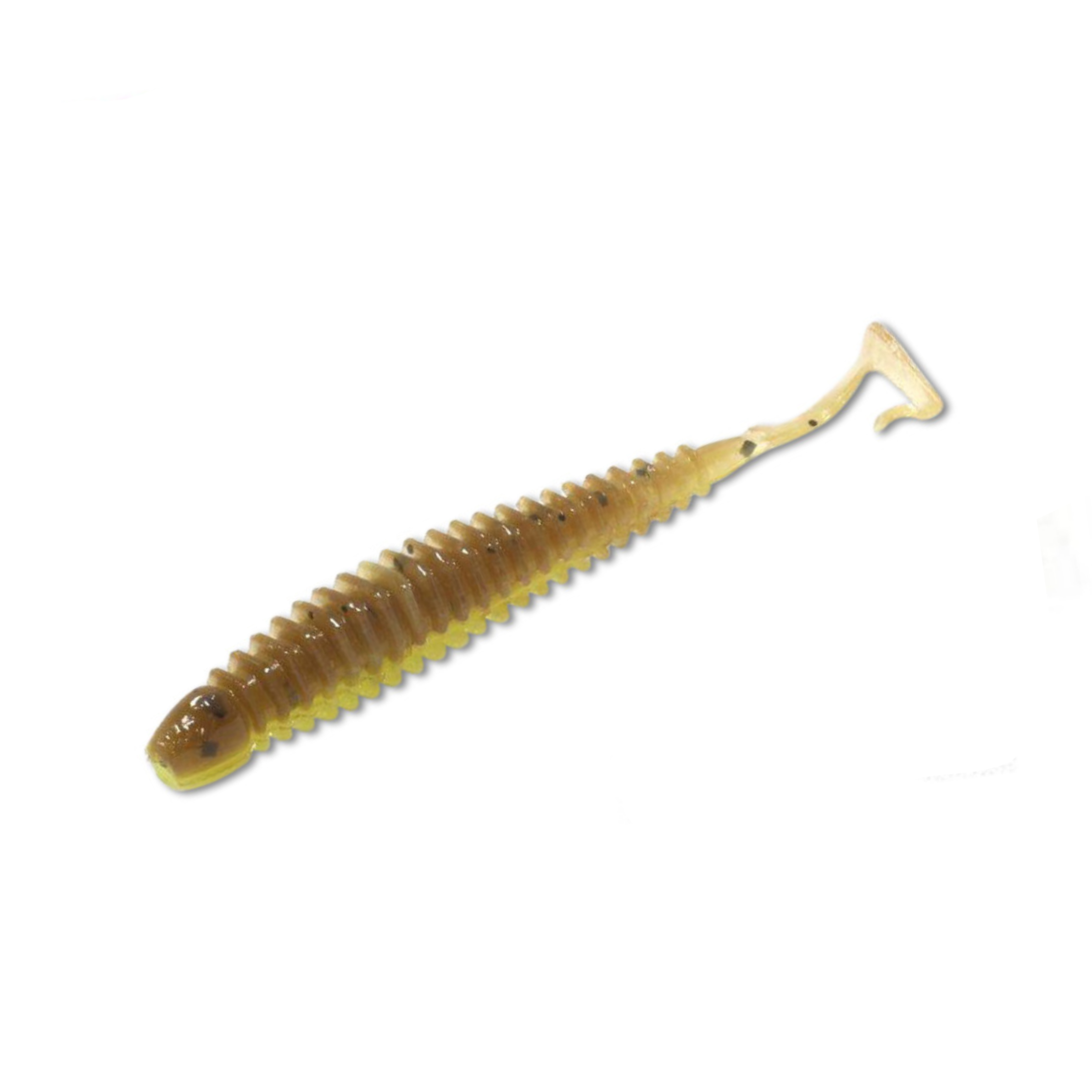
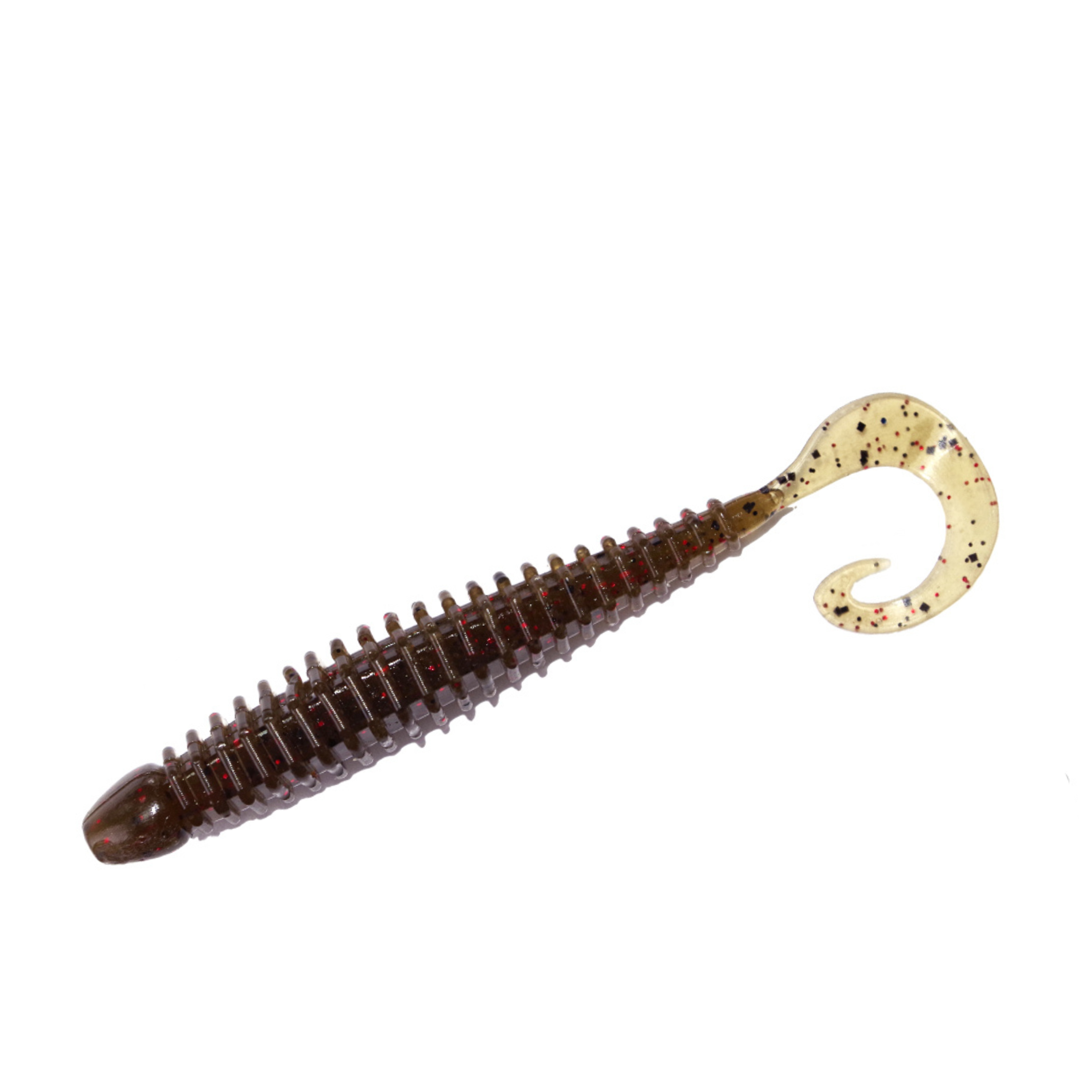
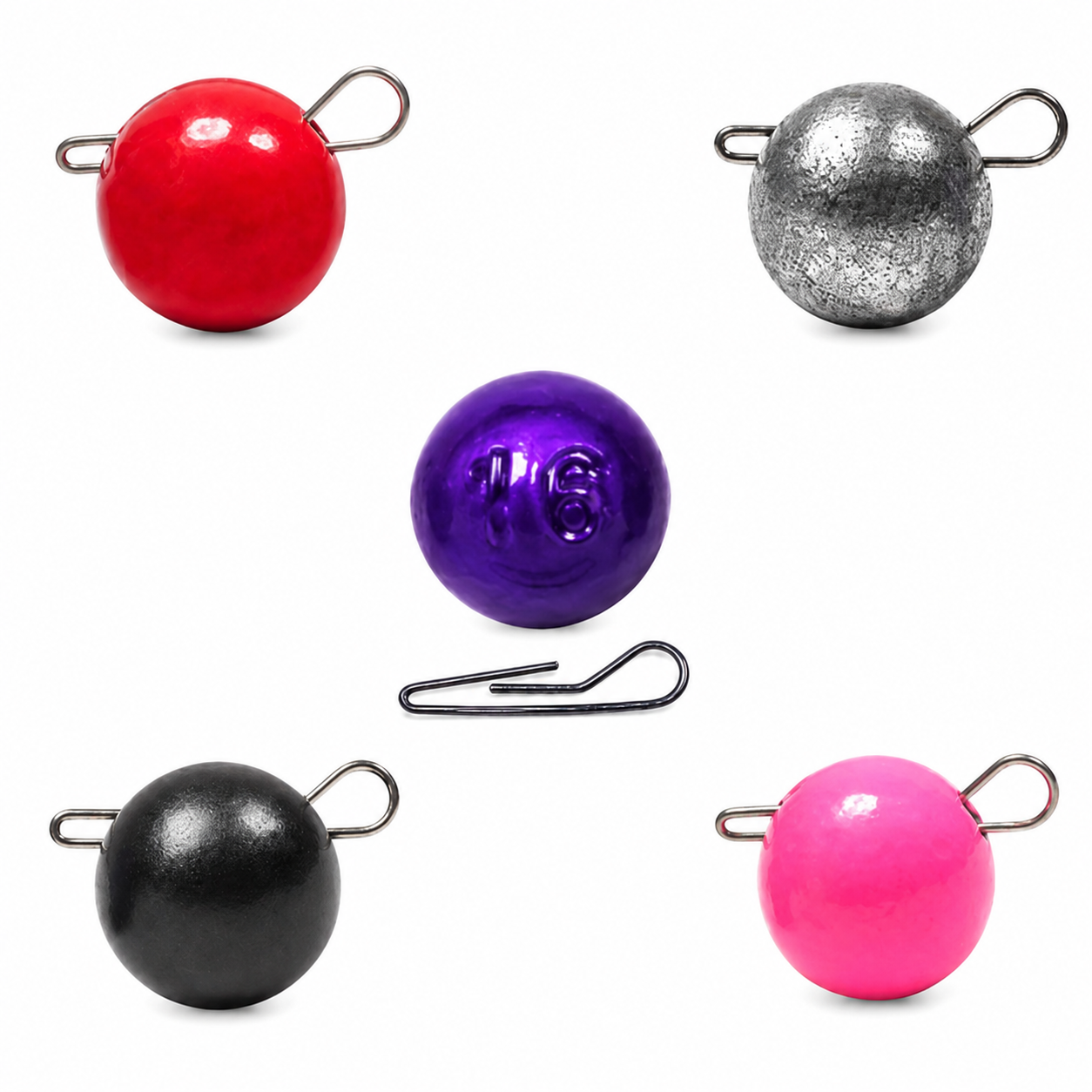
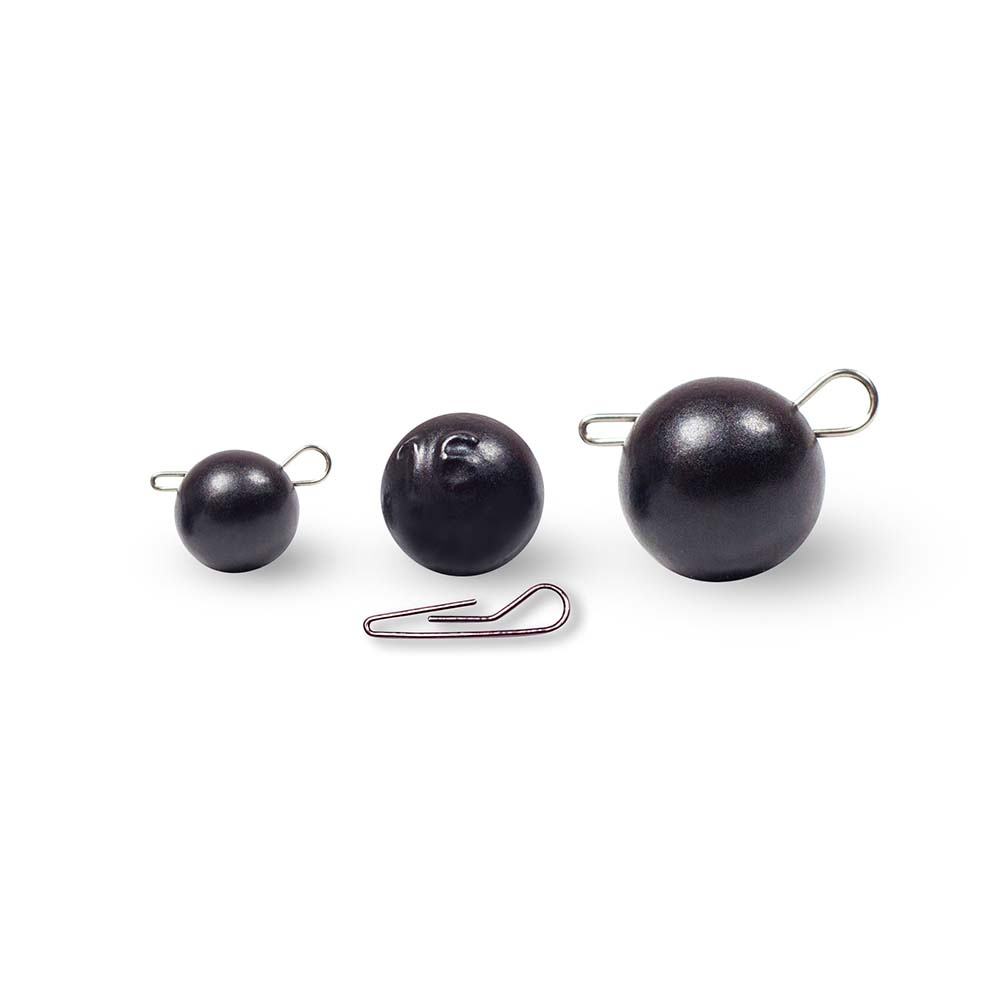
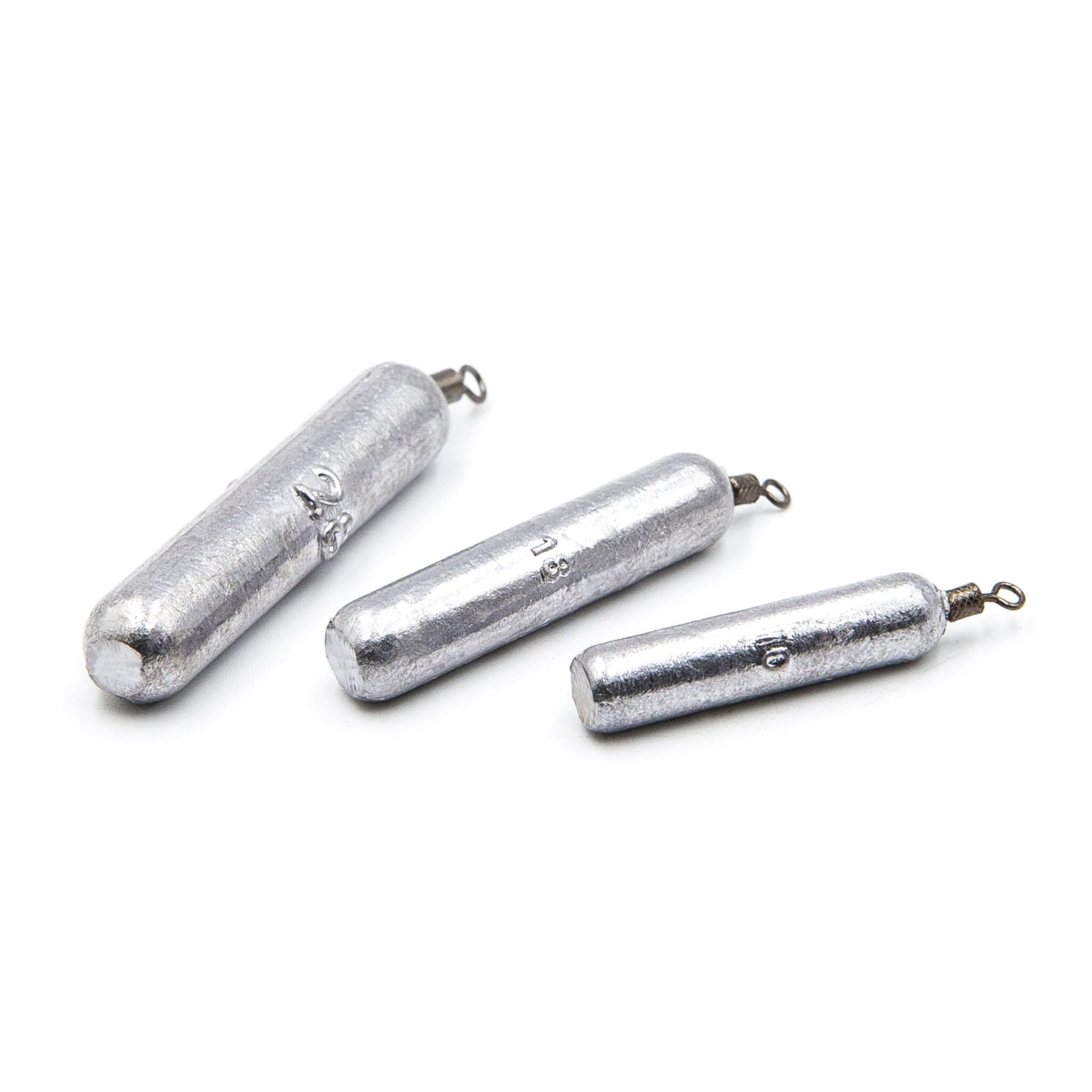
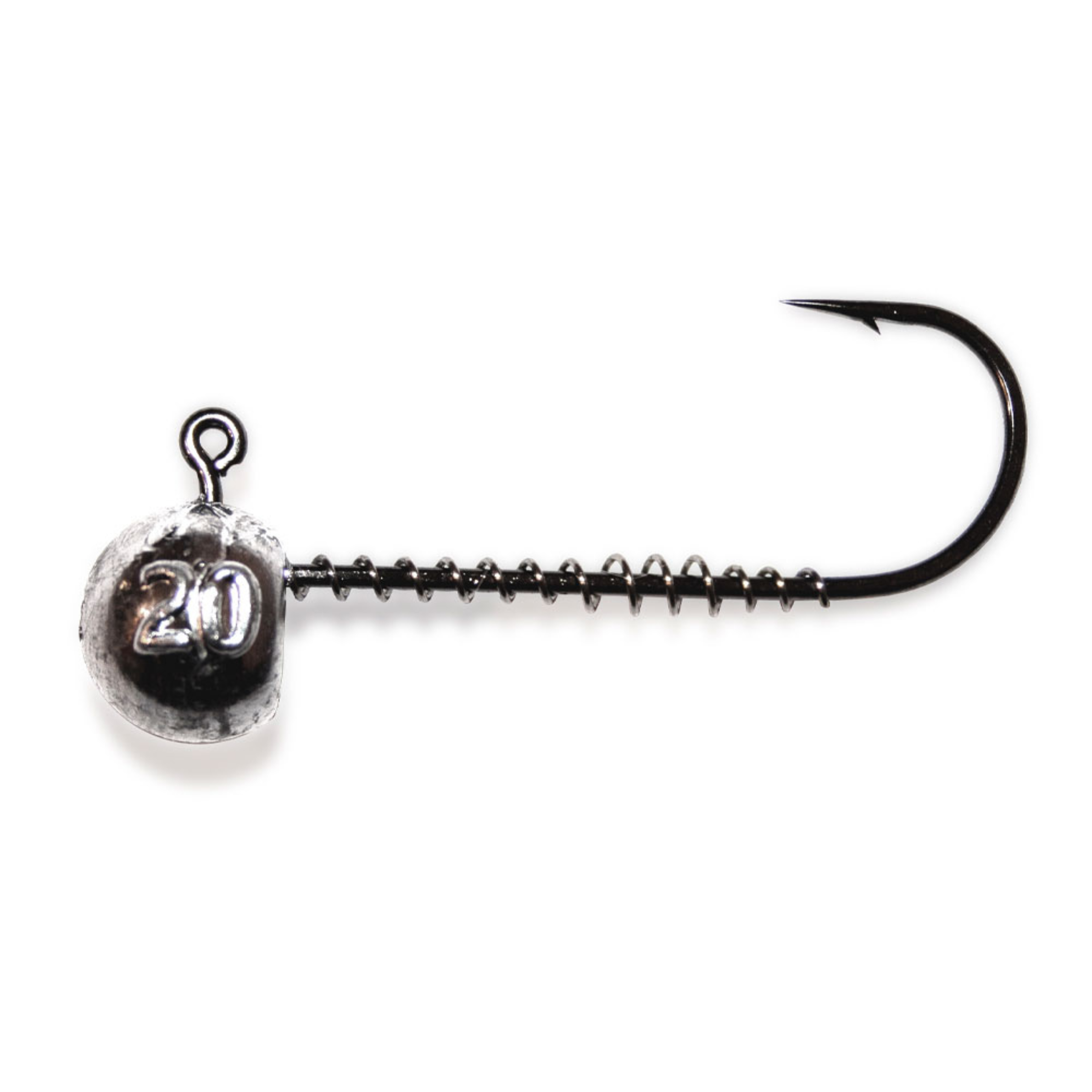
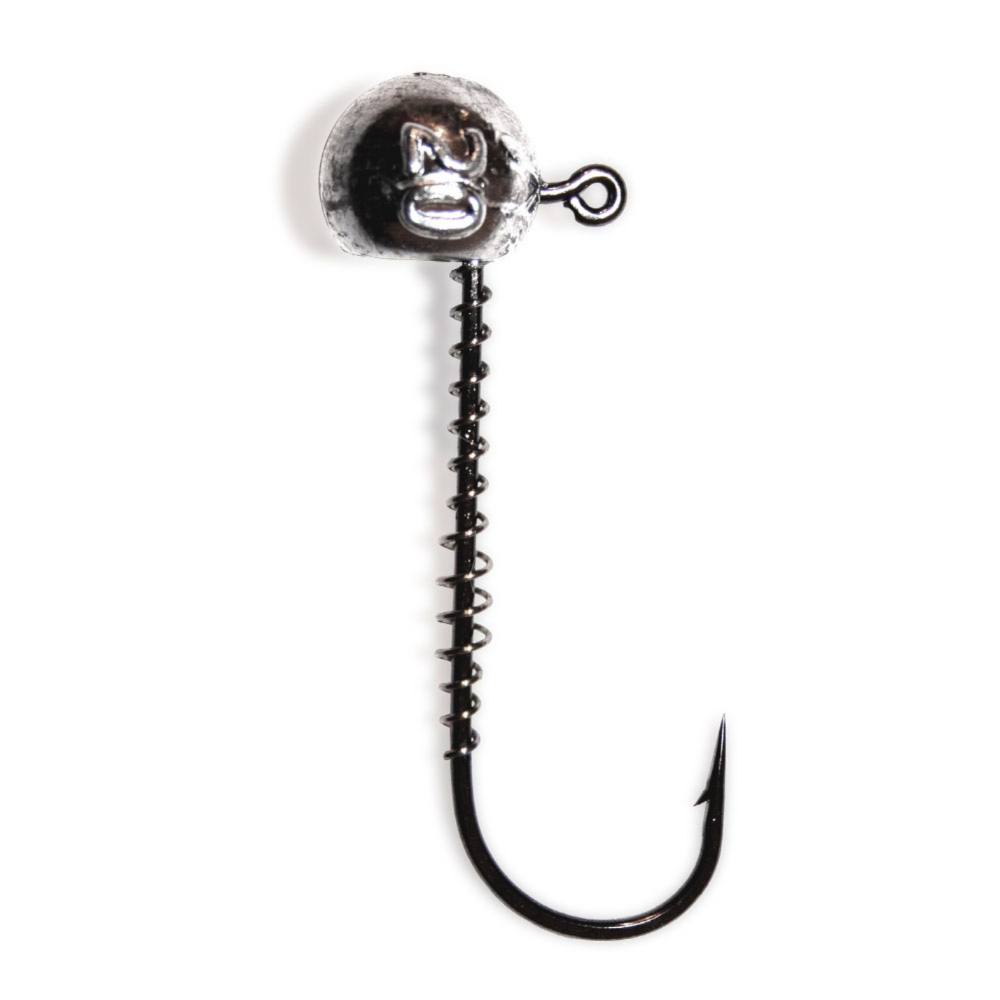
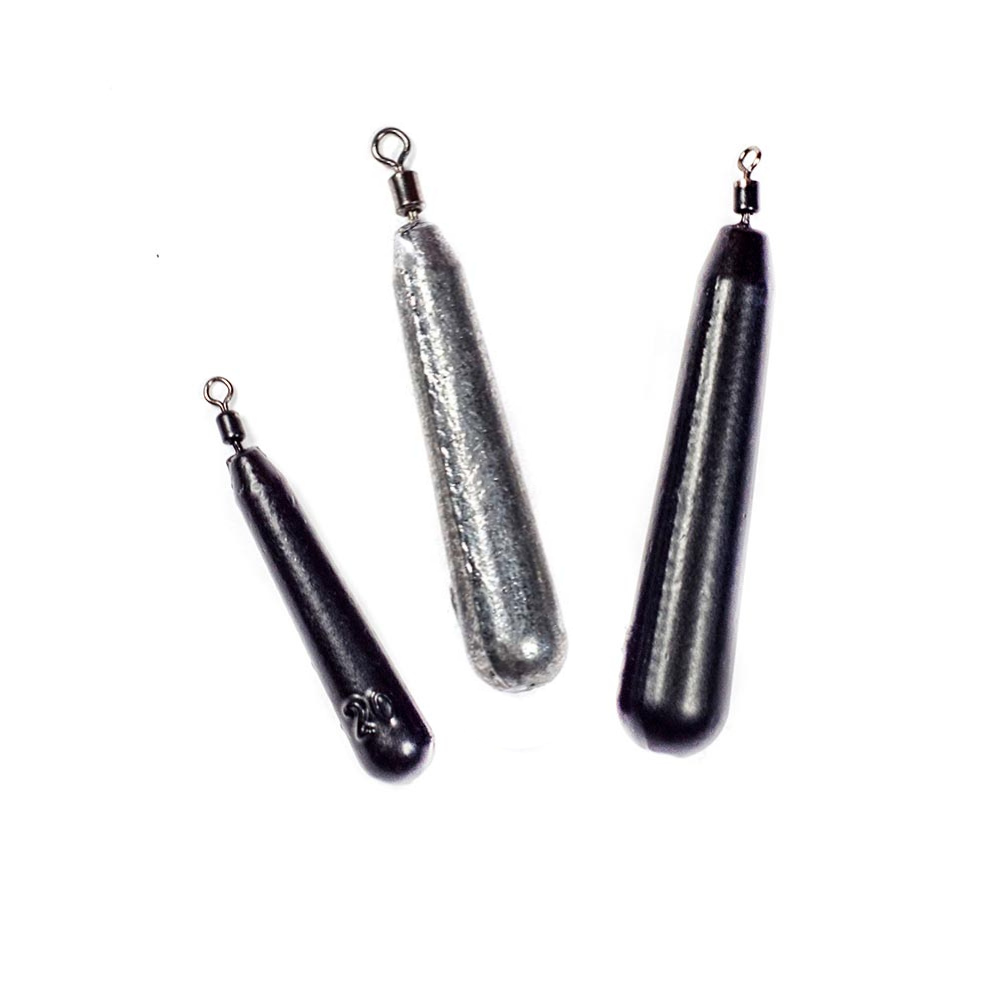
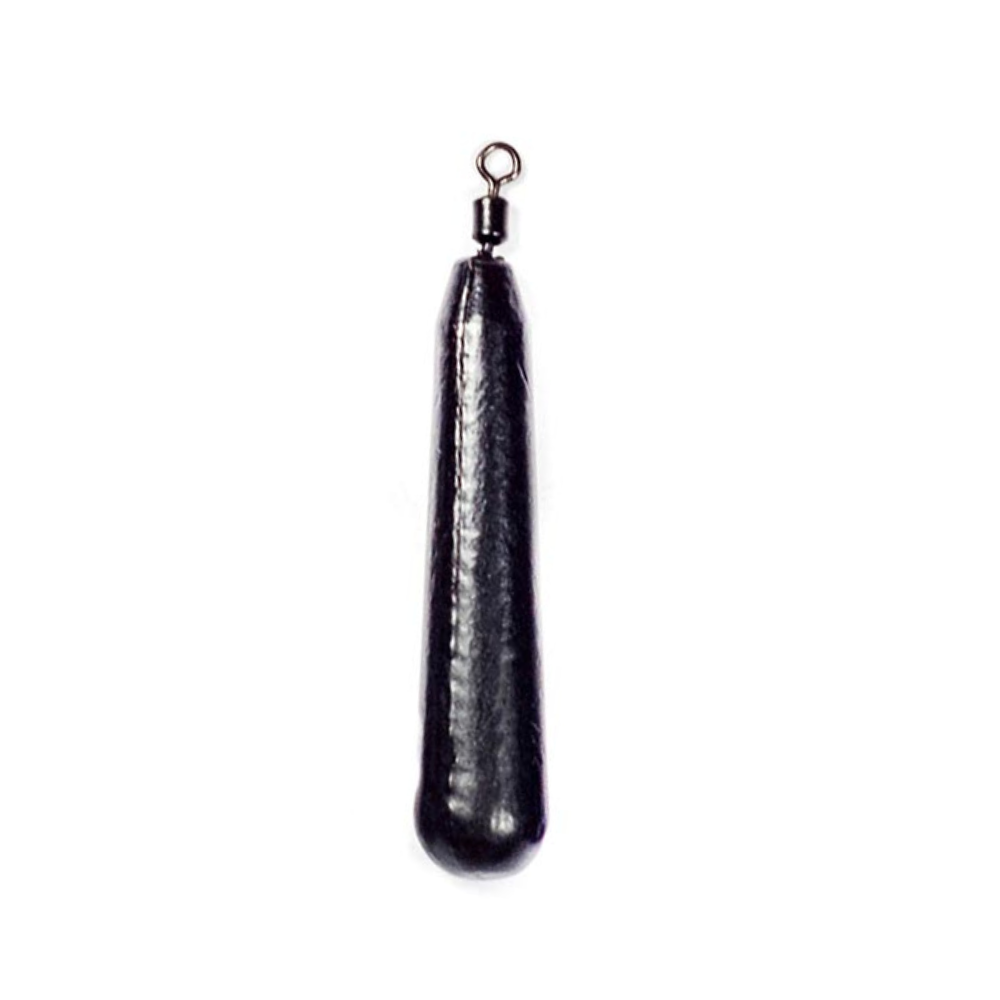
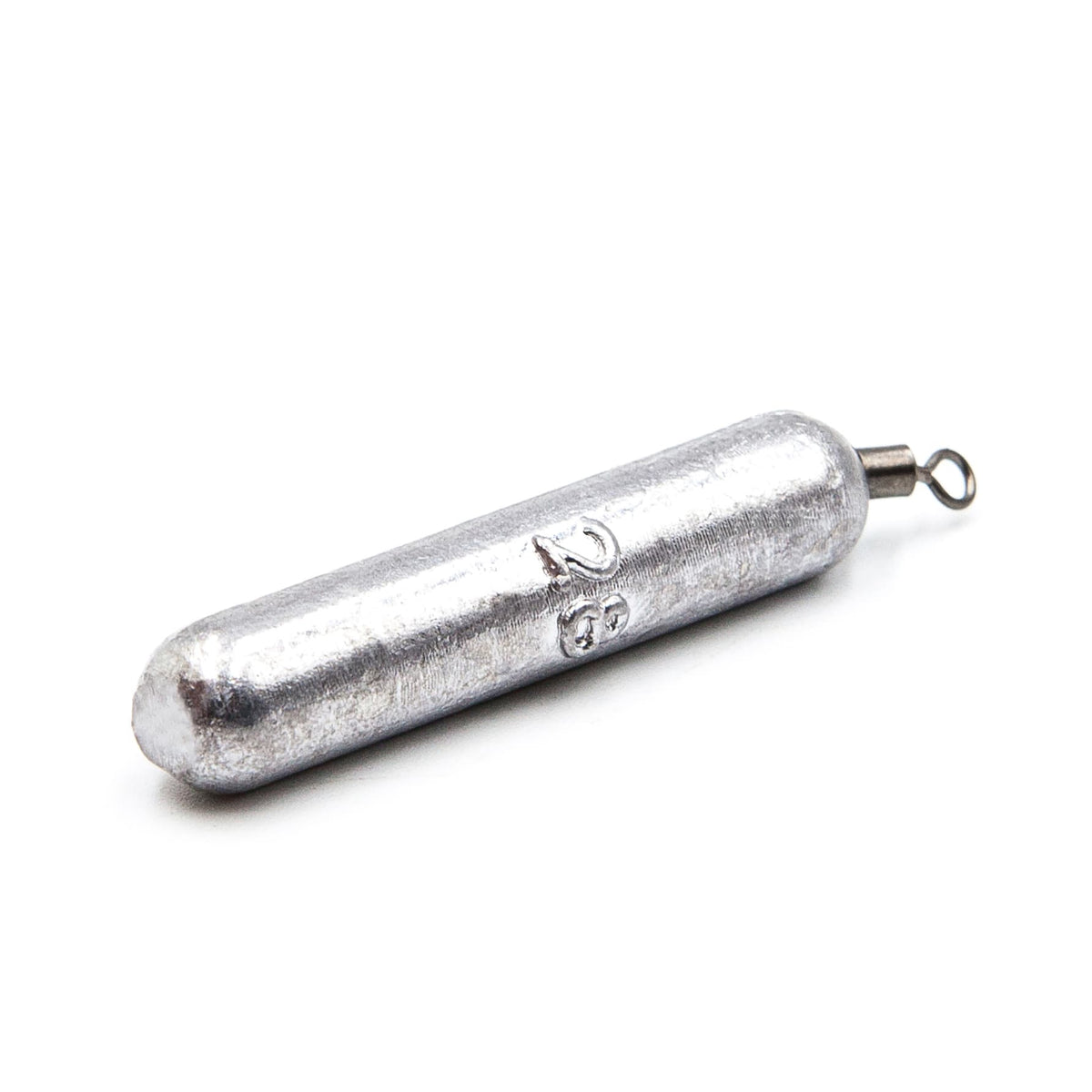
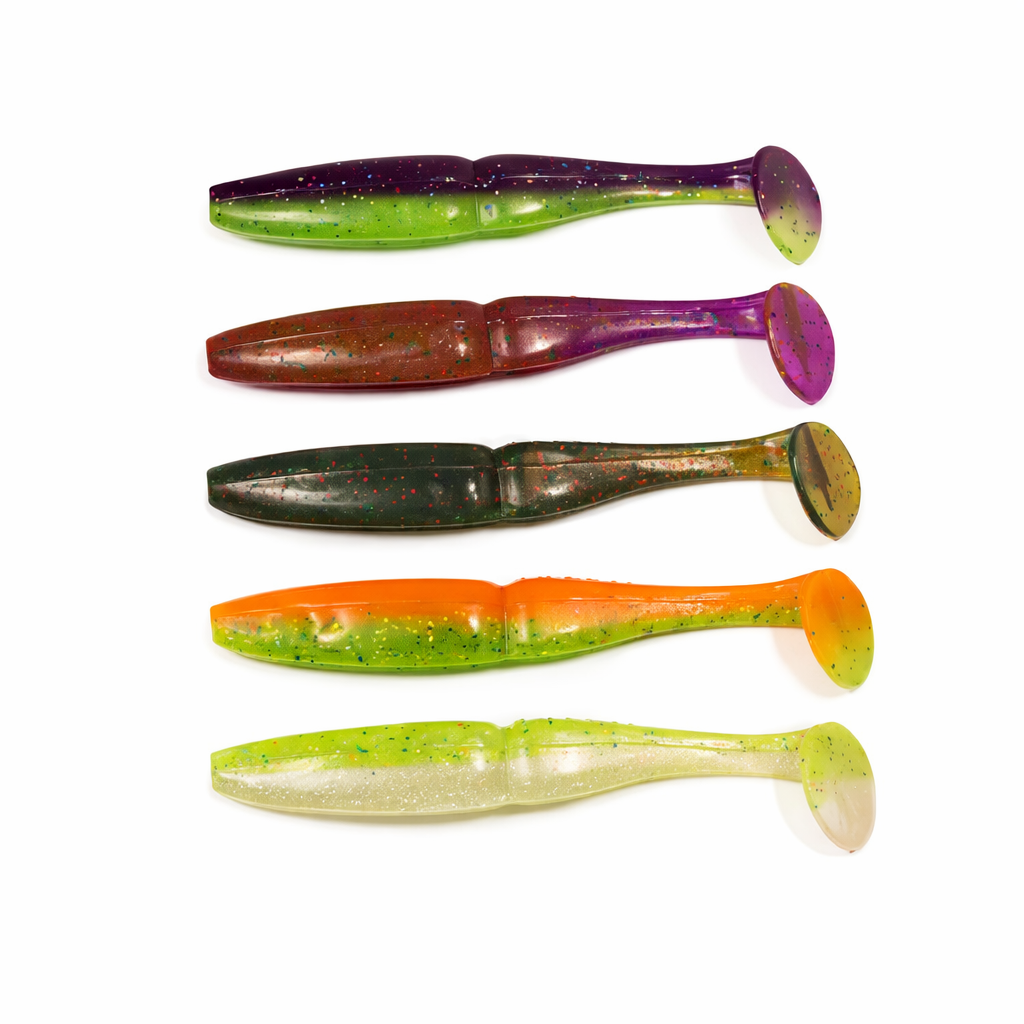
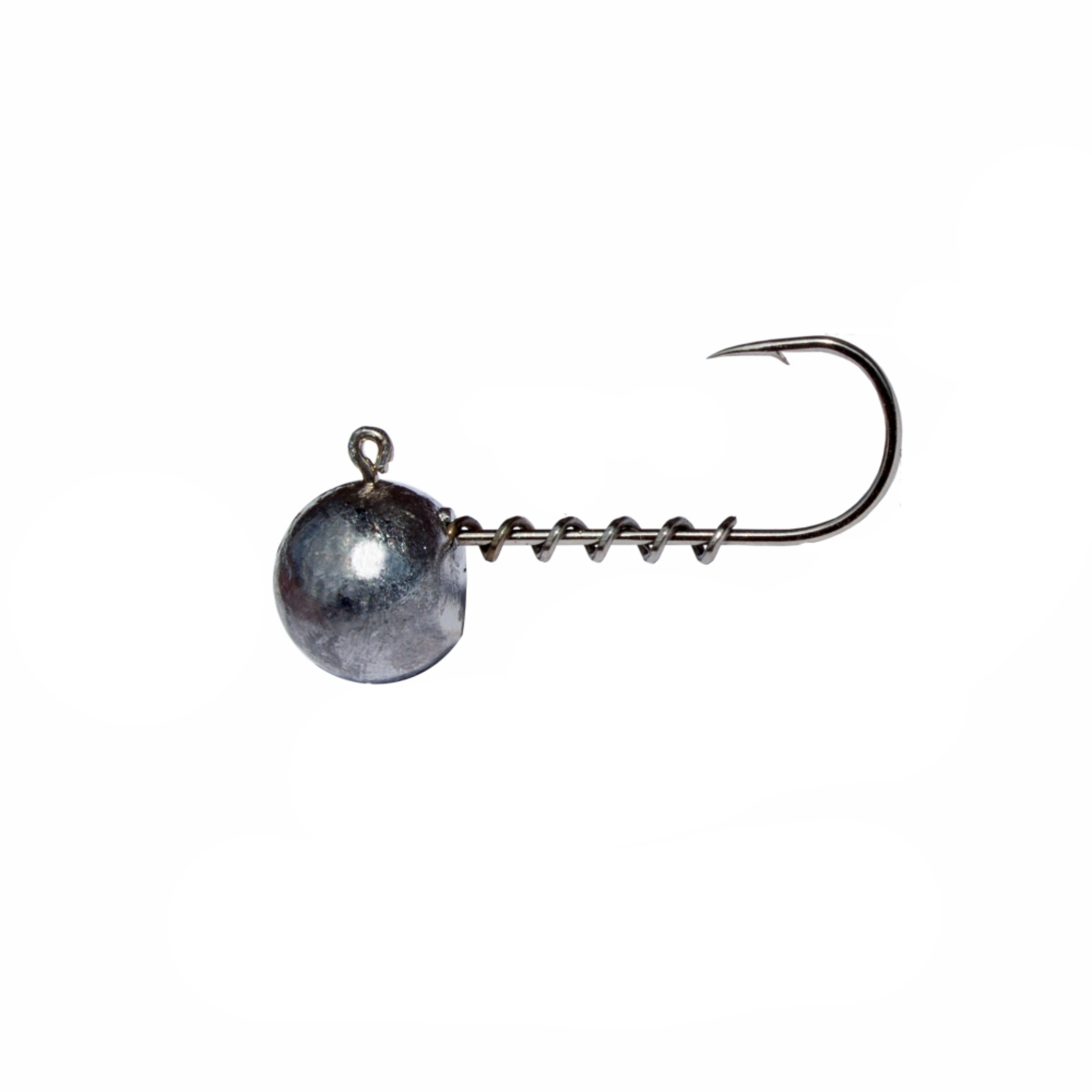
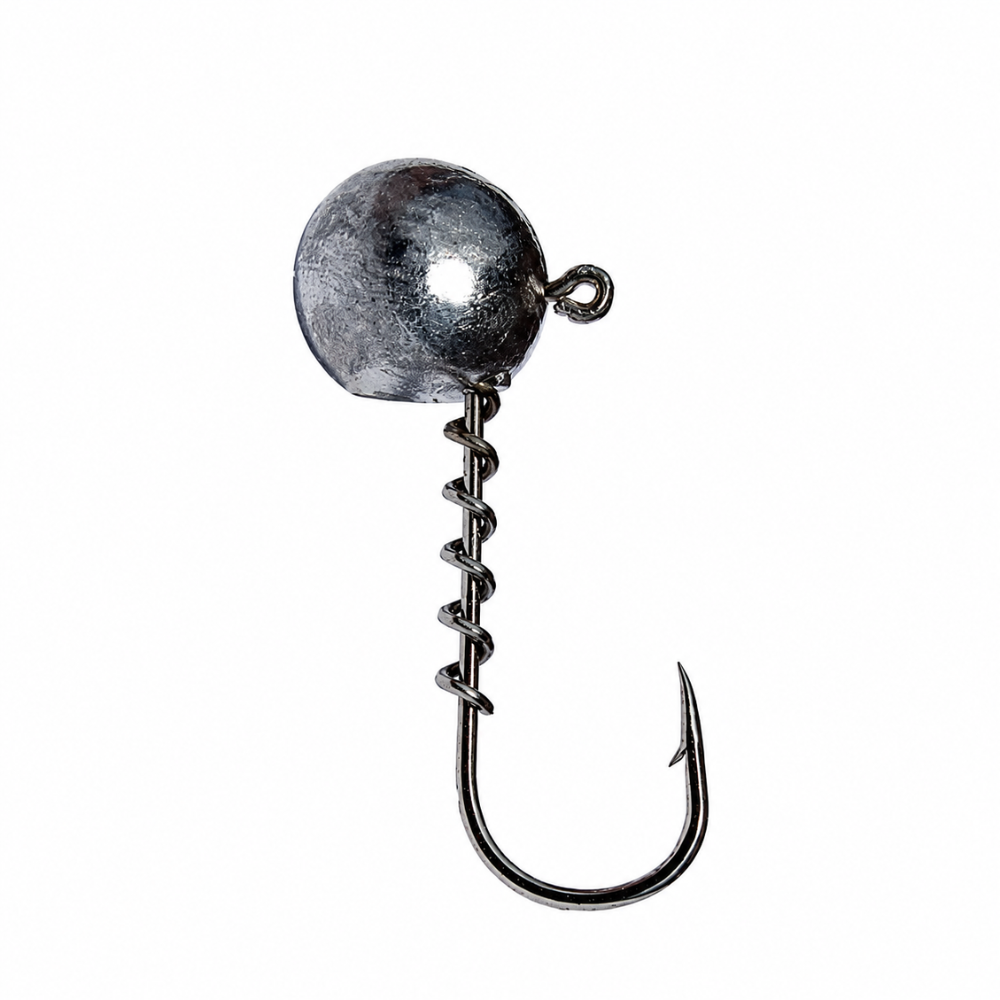
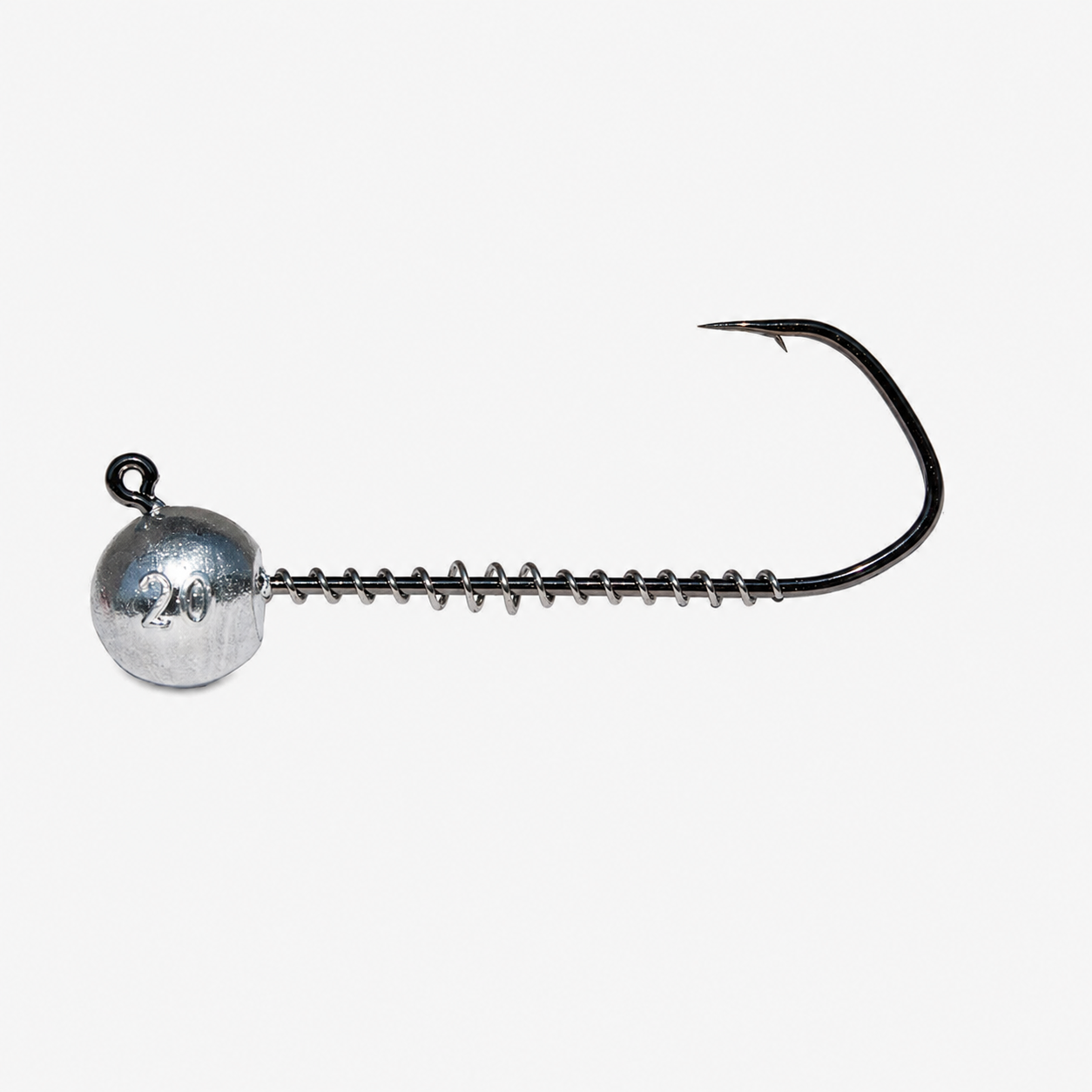
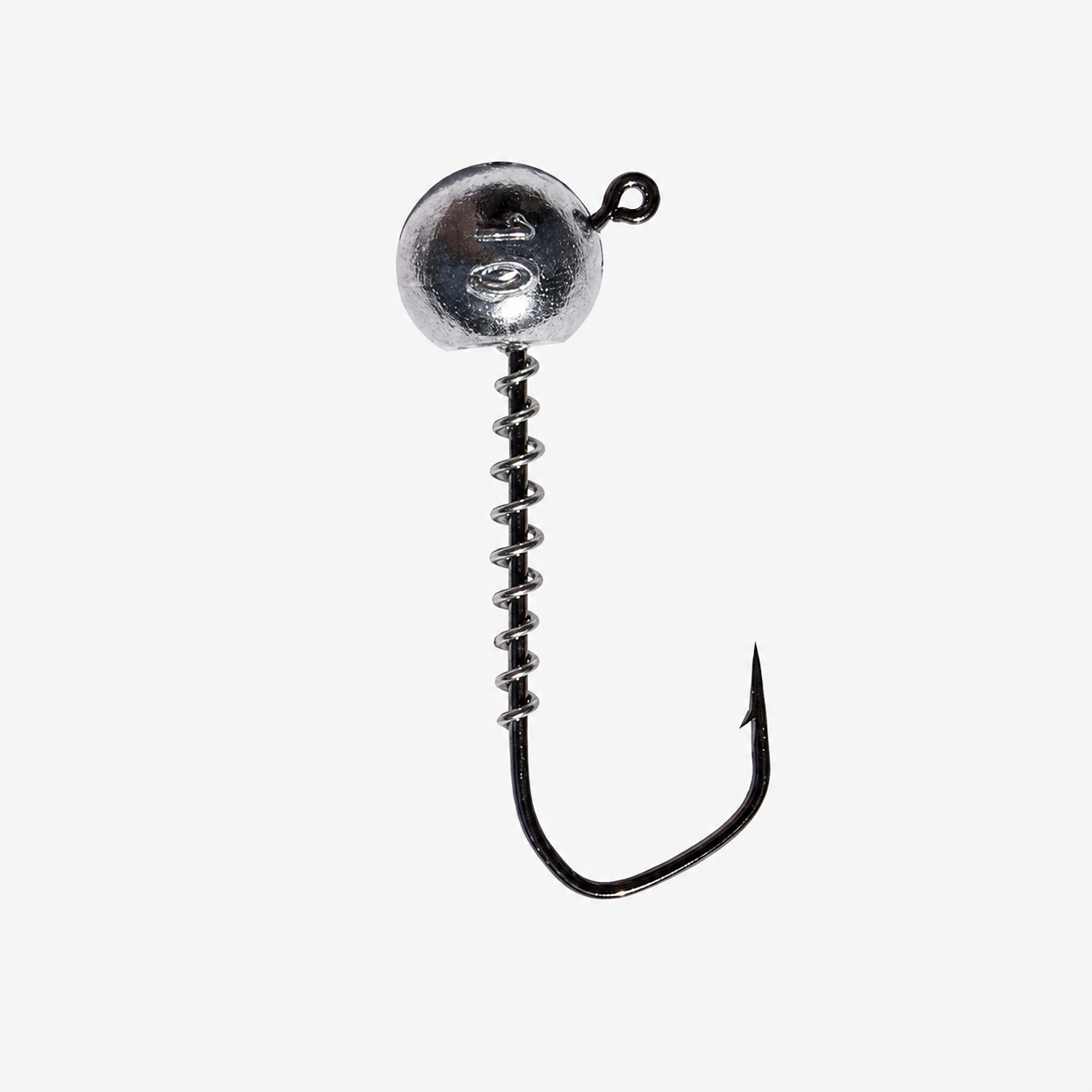
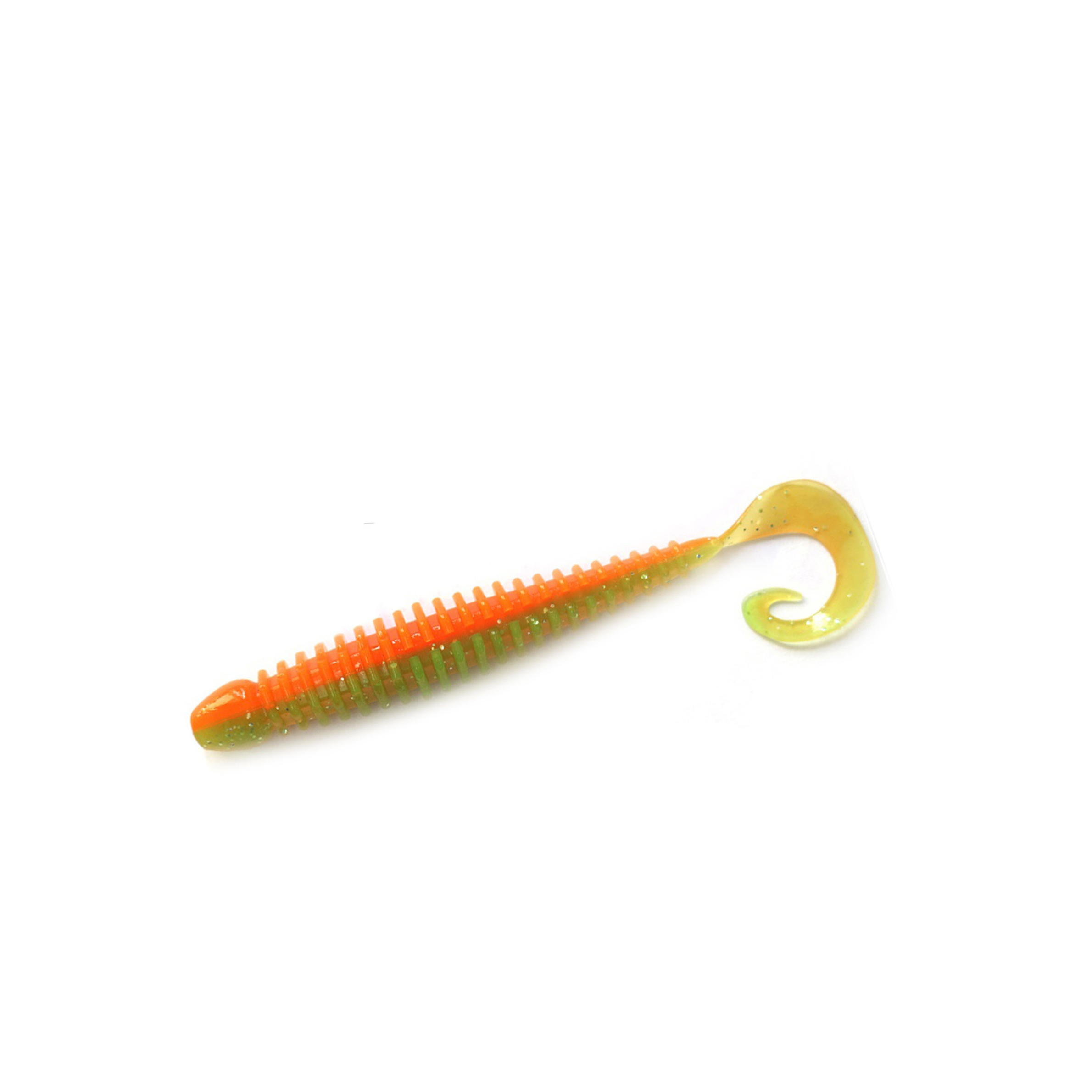
Bottom-contact fishing includes techniques that keep a lure, soft plastic, jig head, or weighted rig close to the bottom. Maintaining contact with rocks, sand, vegetation, and other structure helps control depth, detect changes in bottom composition, and present the bait where many predatory fish feed.
How Bottom-Contact Fishing Works
The weight or jig head carries the presentation toward the bottom and helps the angler feel structure, depth changes, and strikes. The bait can be worked with short hops, slow drags, lifts, pauses, or controlled retrieves depending on the rig and fishing conditions.
When to Use Bottom-Contact Presentations
Use bottom-contact techniques when fish are holding near rocks, ledges, vegetation edges, drop-offs, docks, or open bottom. They are effective in shallow and deep water and can be adjusted for current, cover, bottom type, and the activity level of the fish.
Choosing Bottom-Contact Tackle
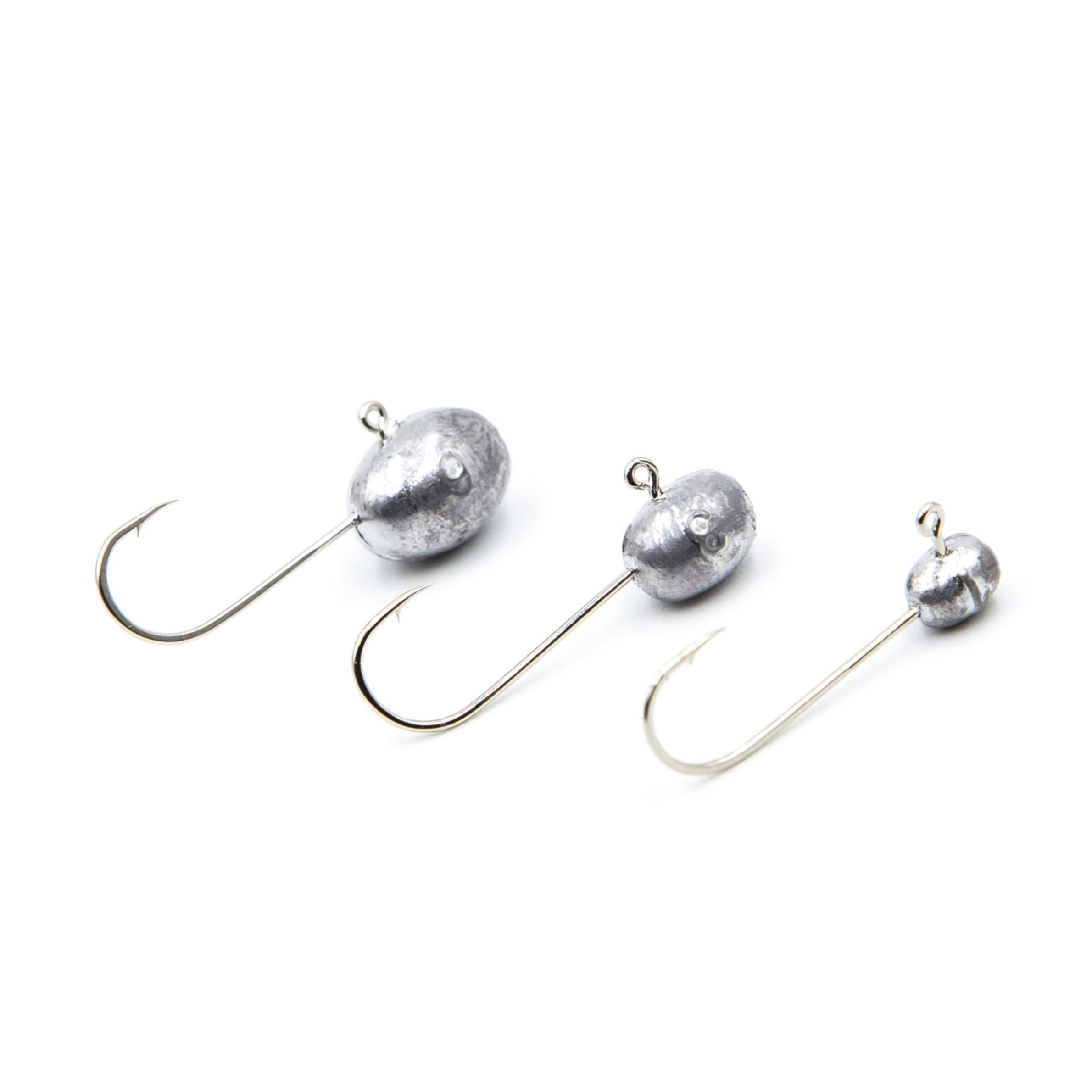
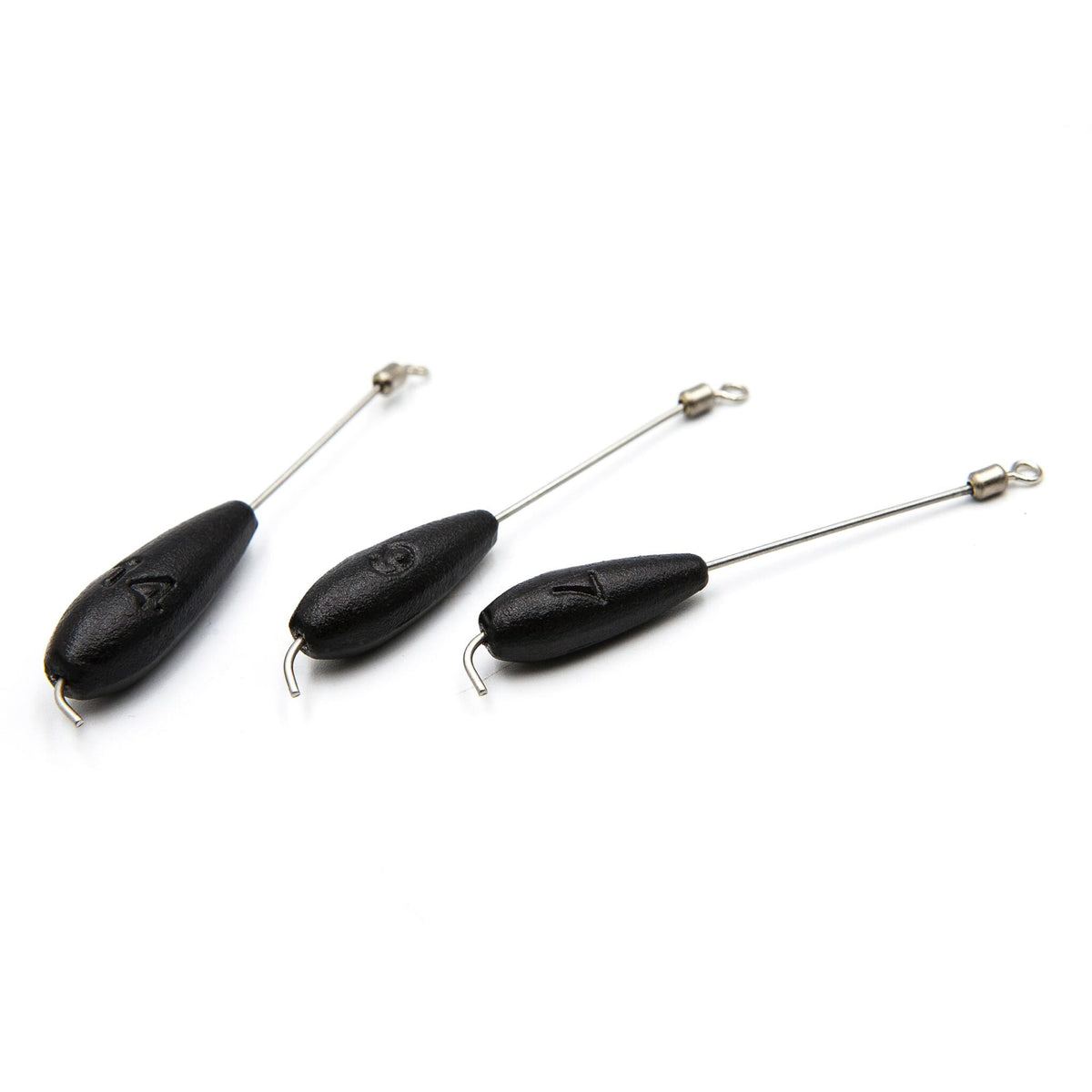
Select the jig head, weight, hook, and bait according to depth, current, cover, and target species. Lighter setups provide a slower fall and more subtle presentation, while heavier weights improve casting distance, depth control, and contact with the bottom.
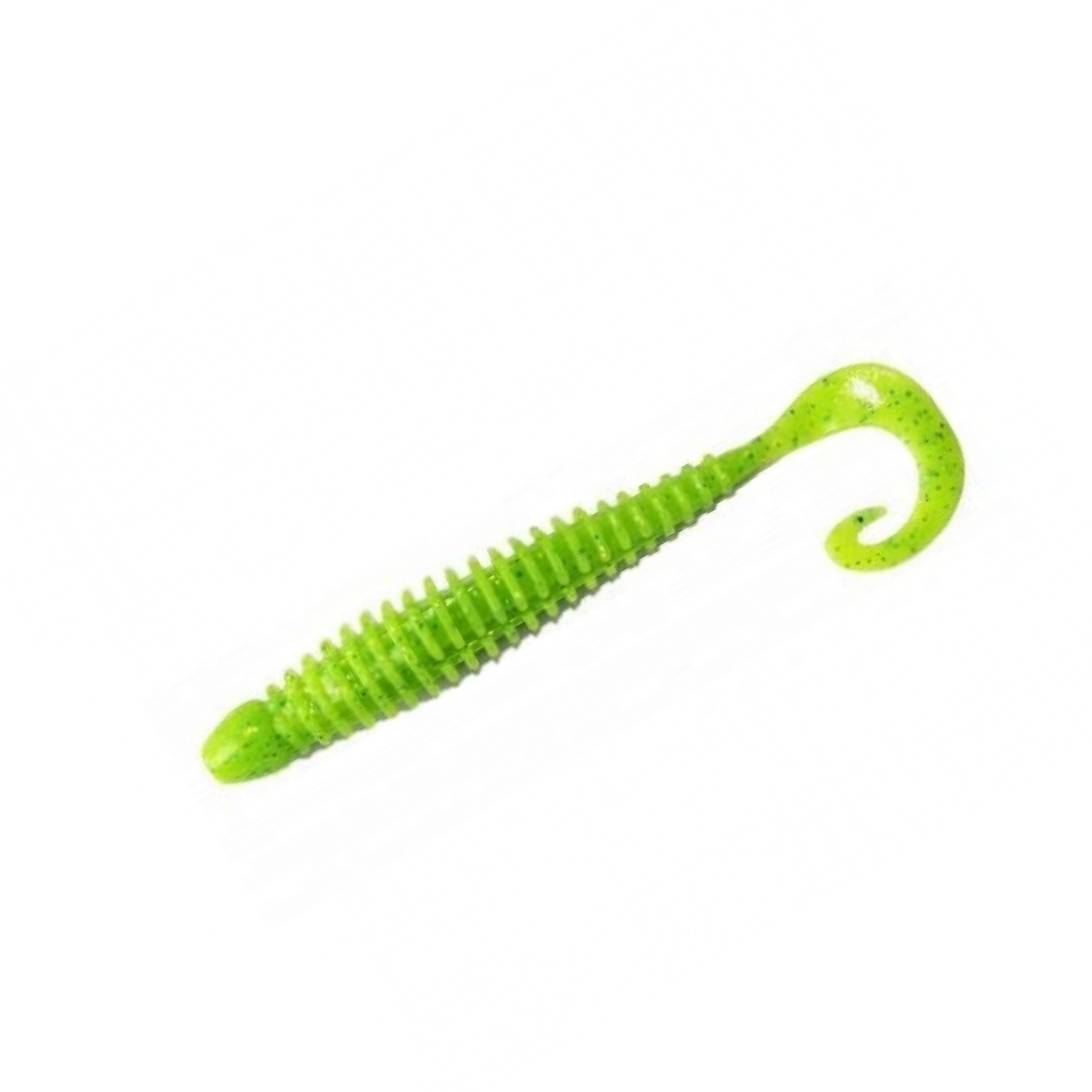
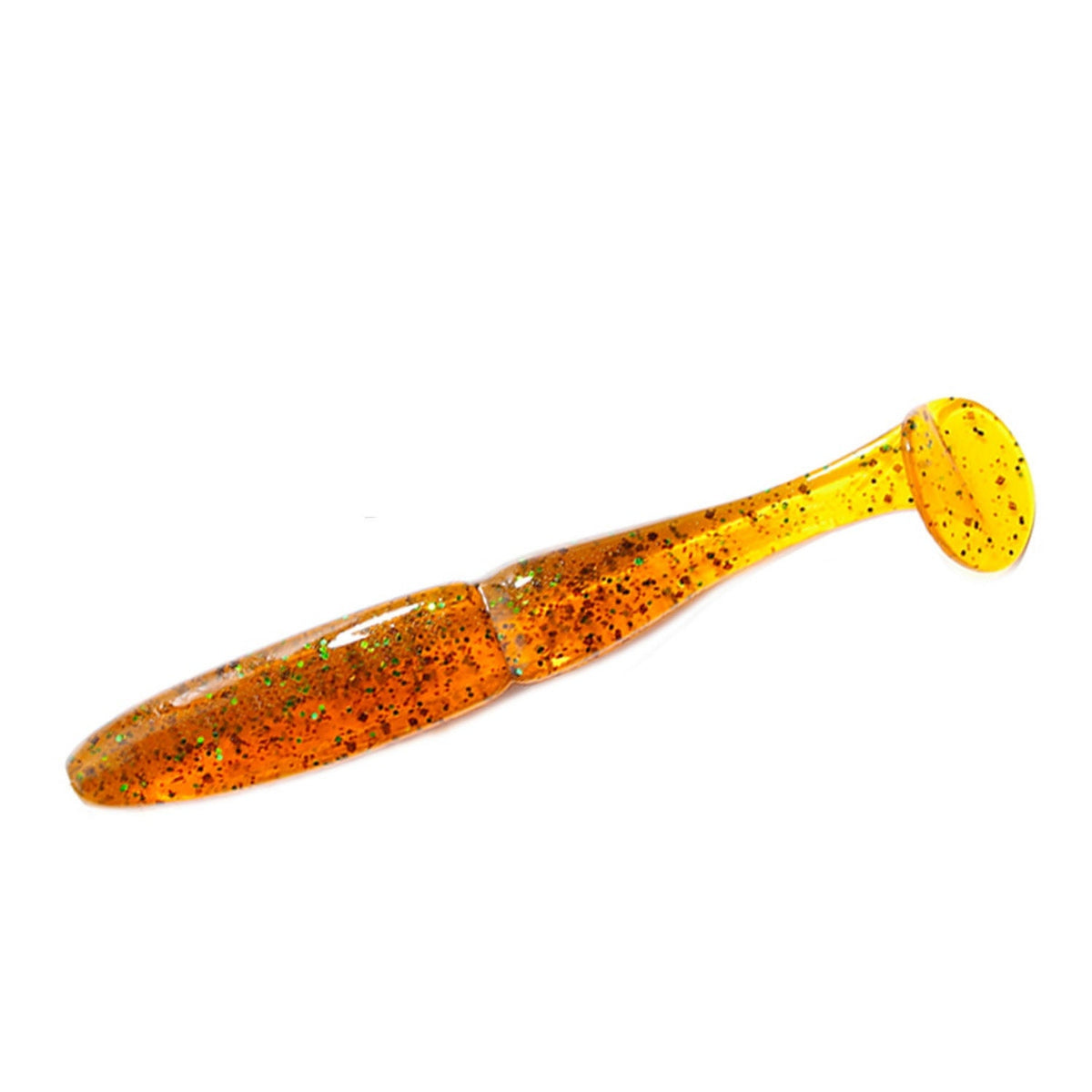
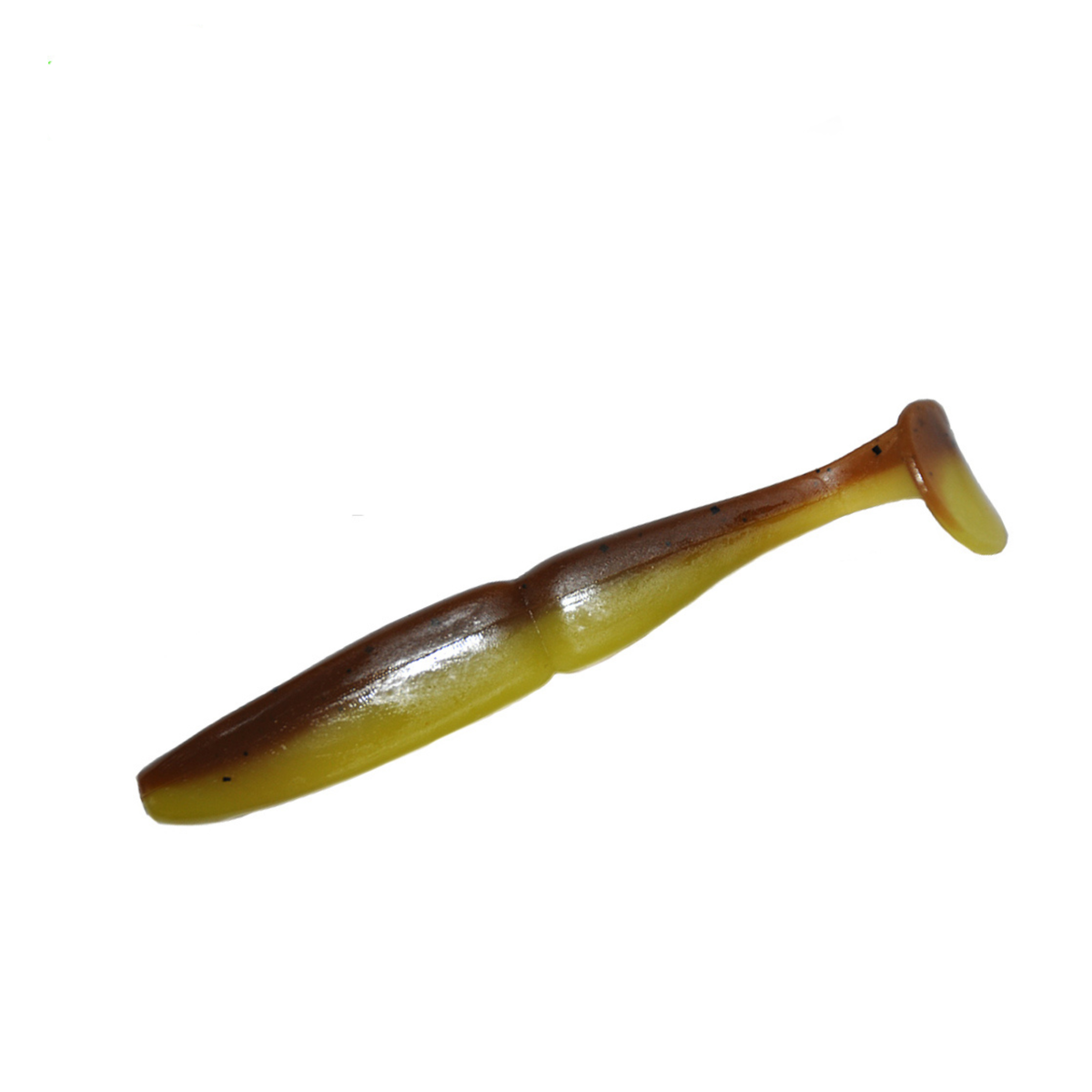
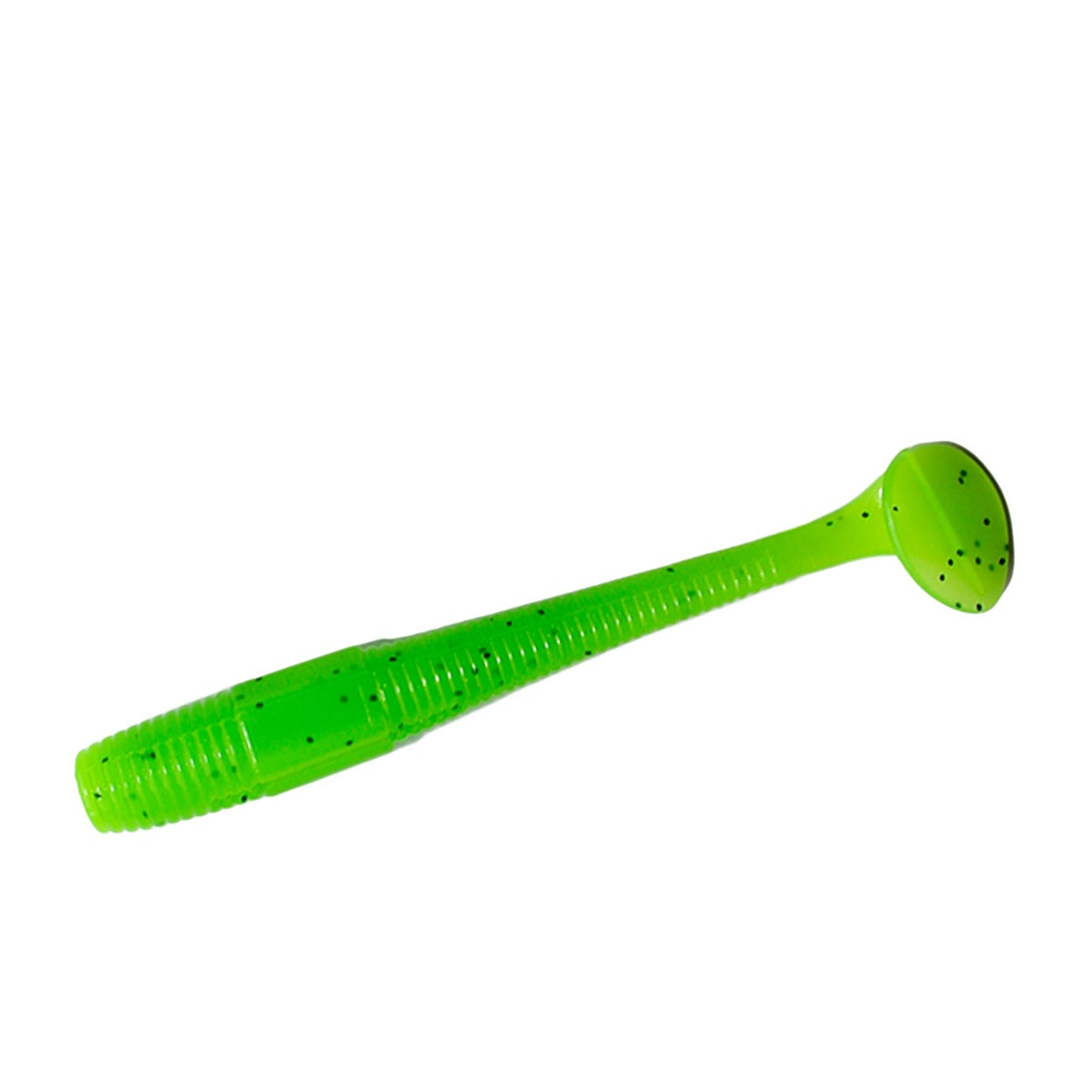
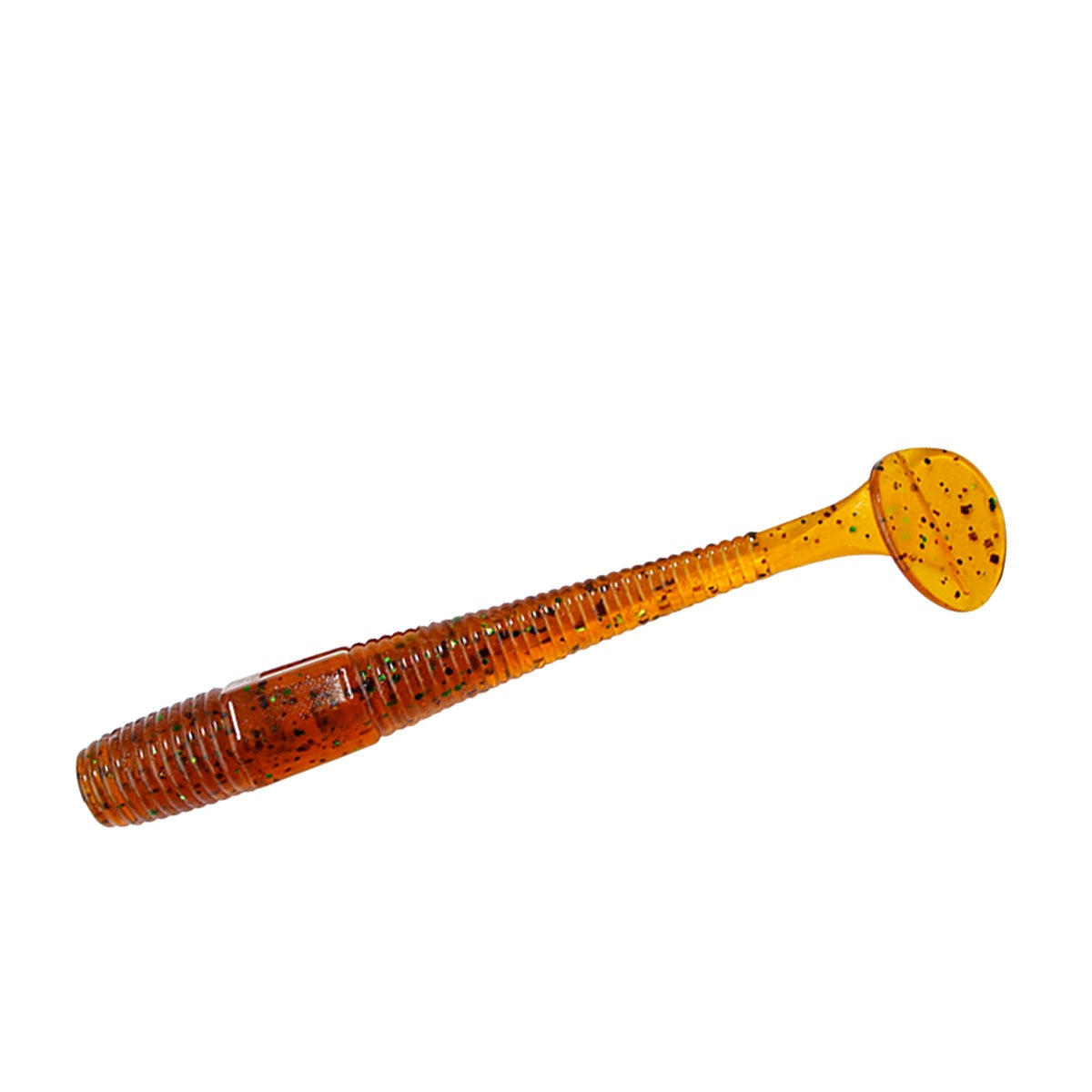
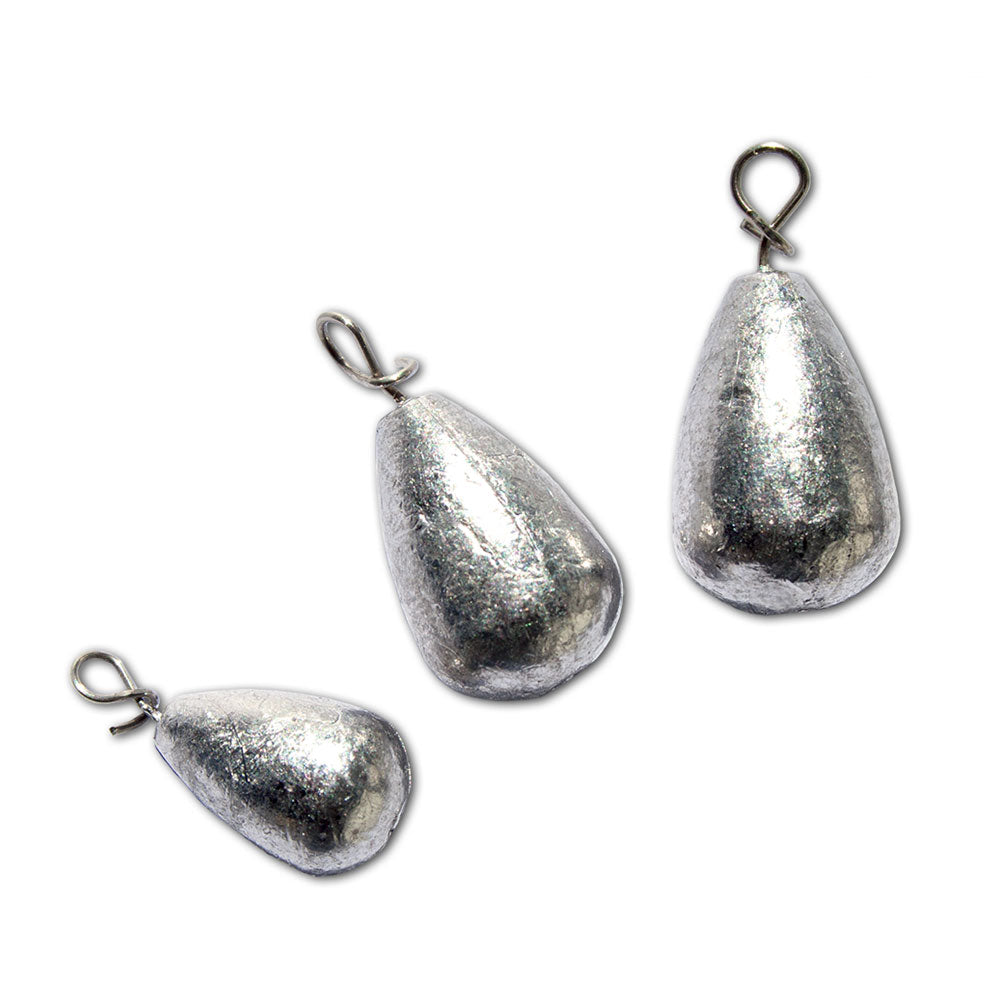
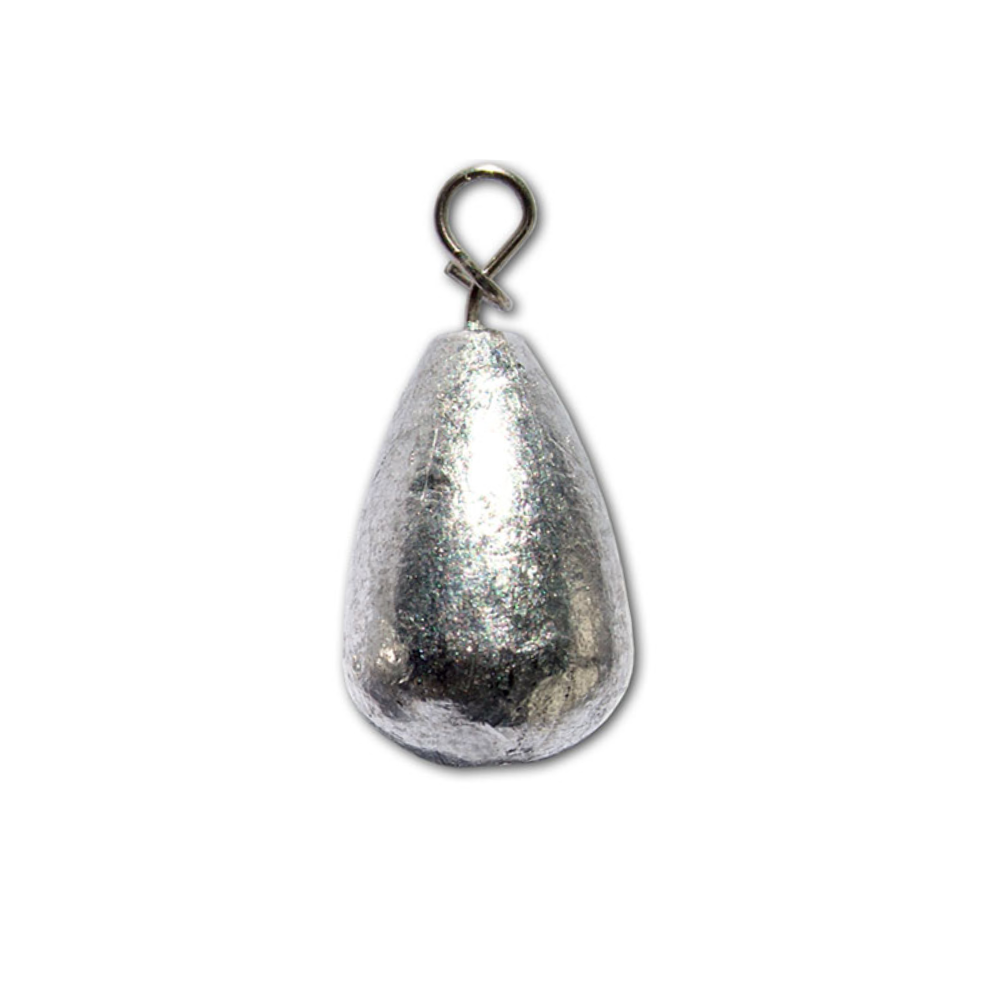
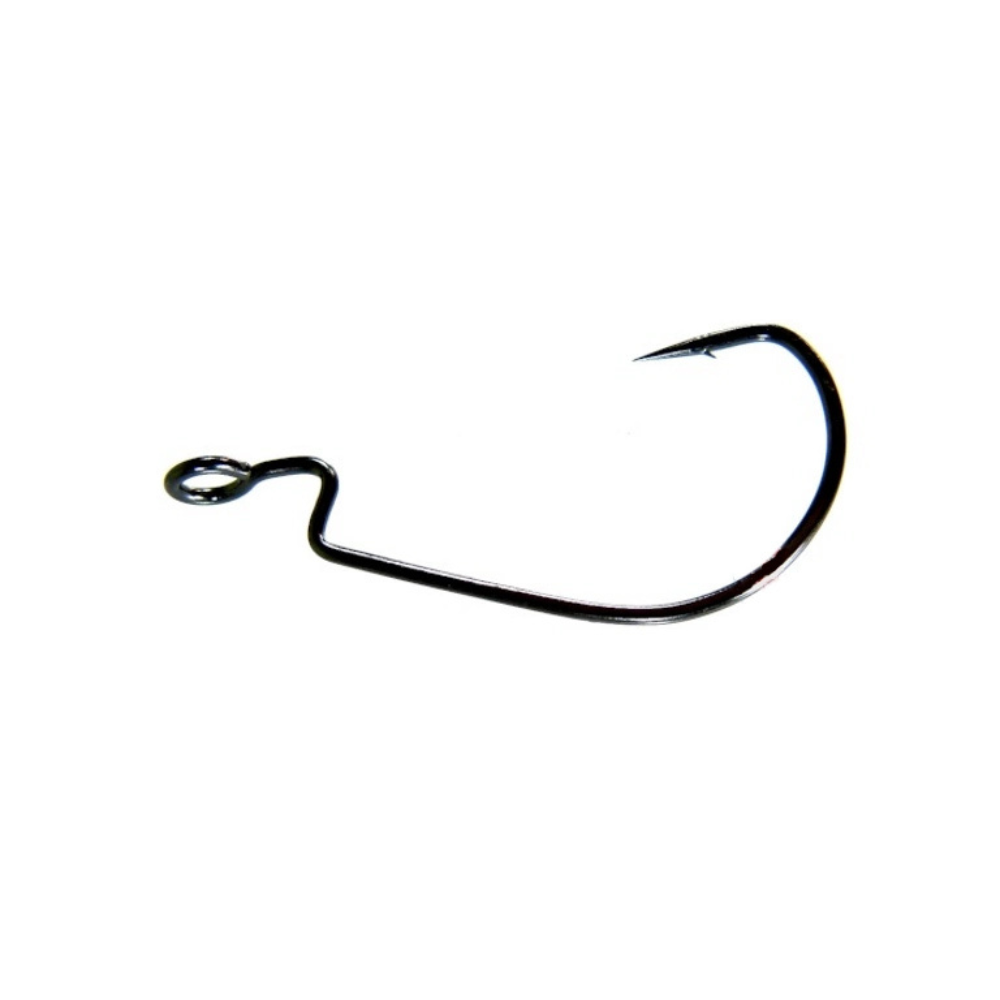
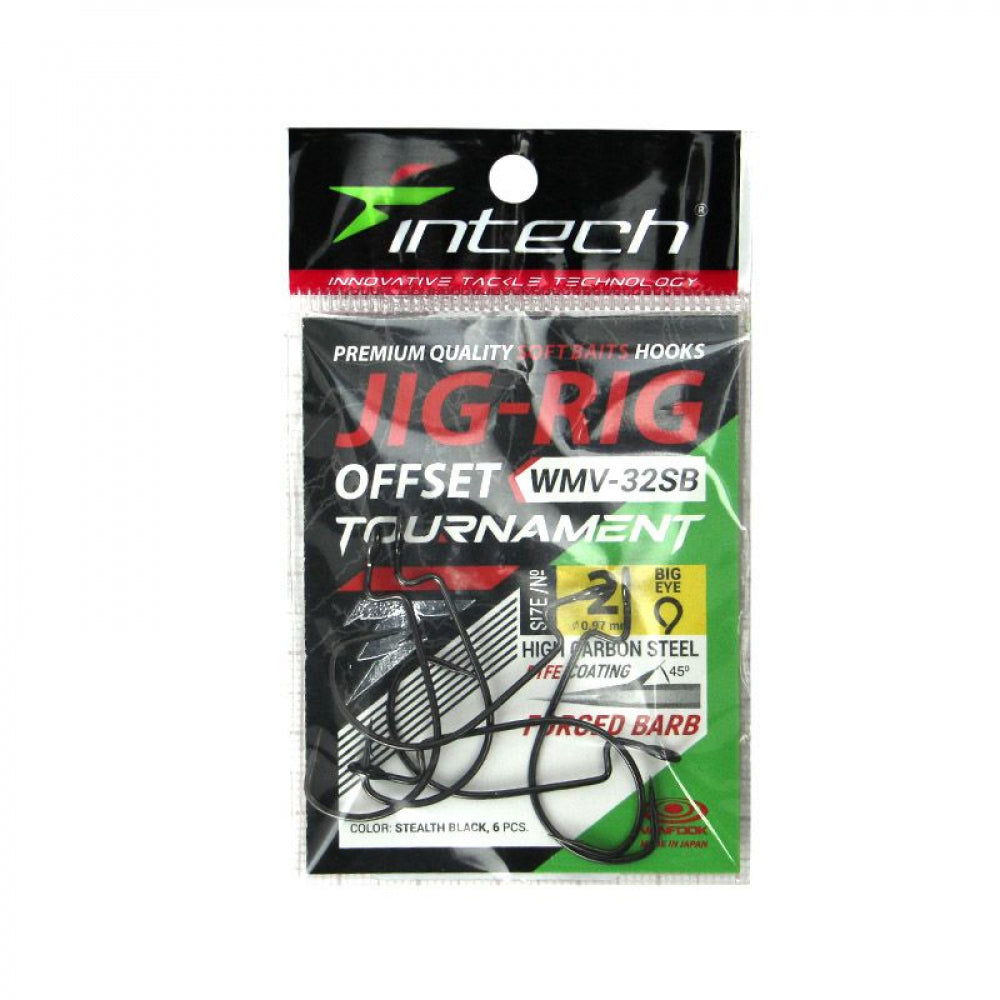
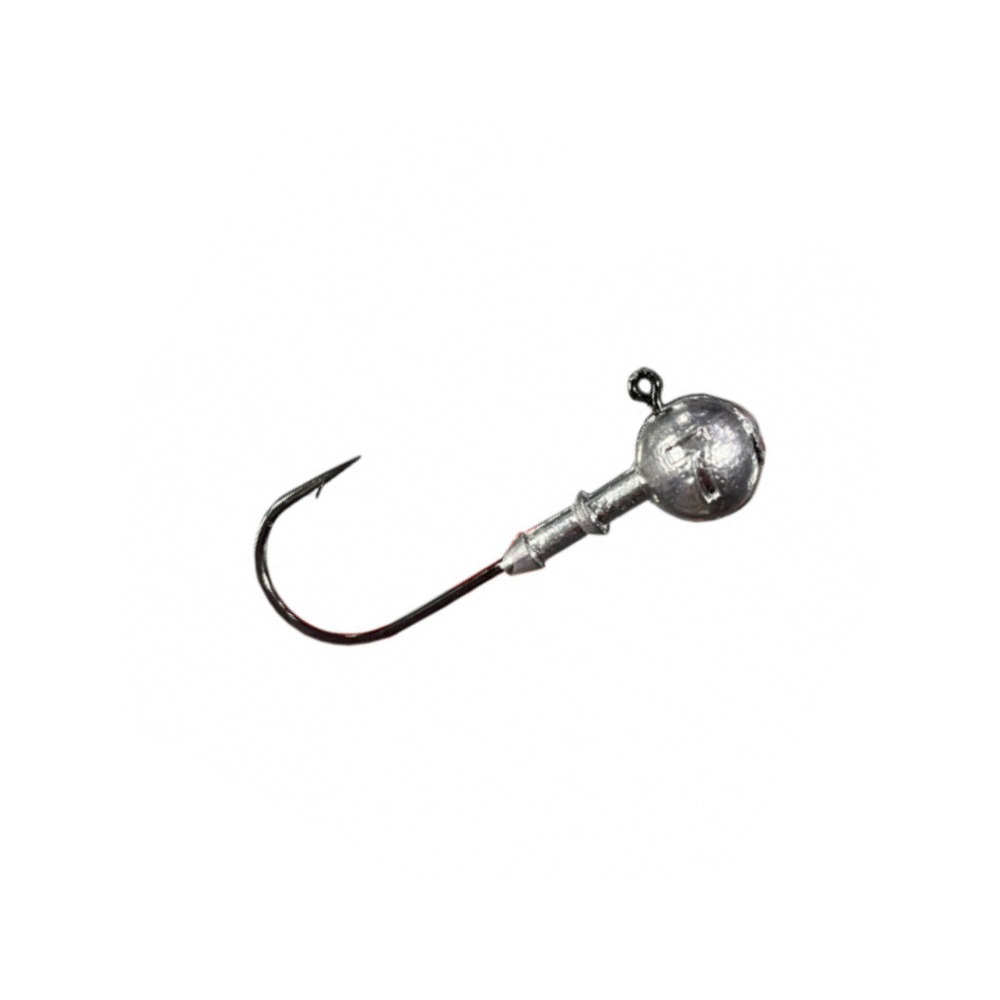
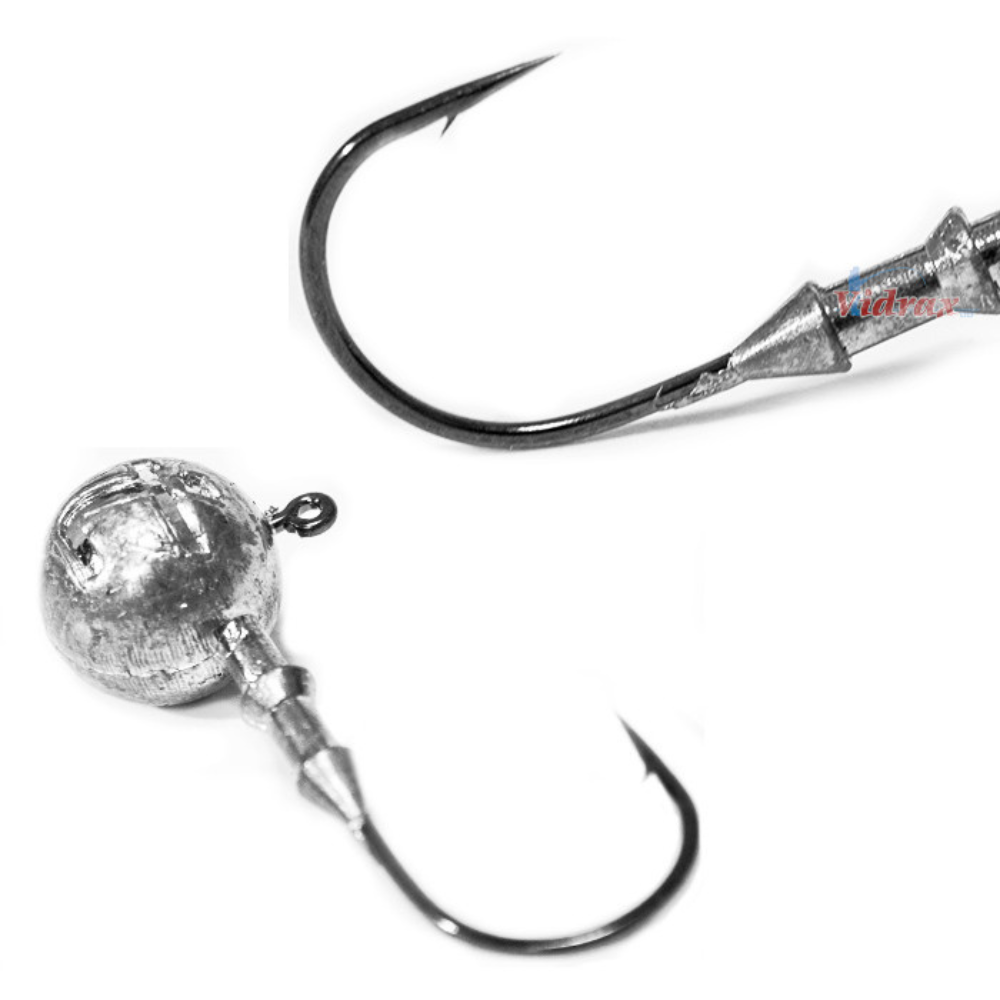
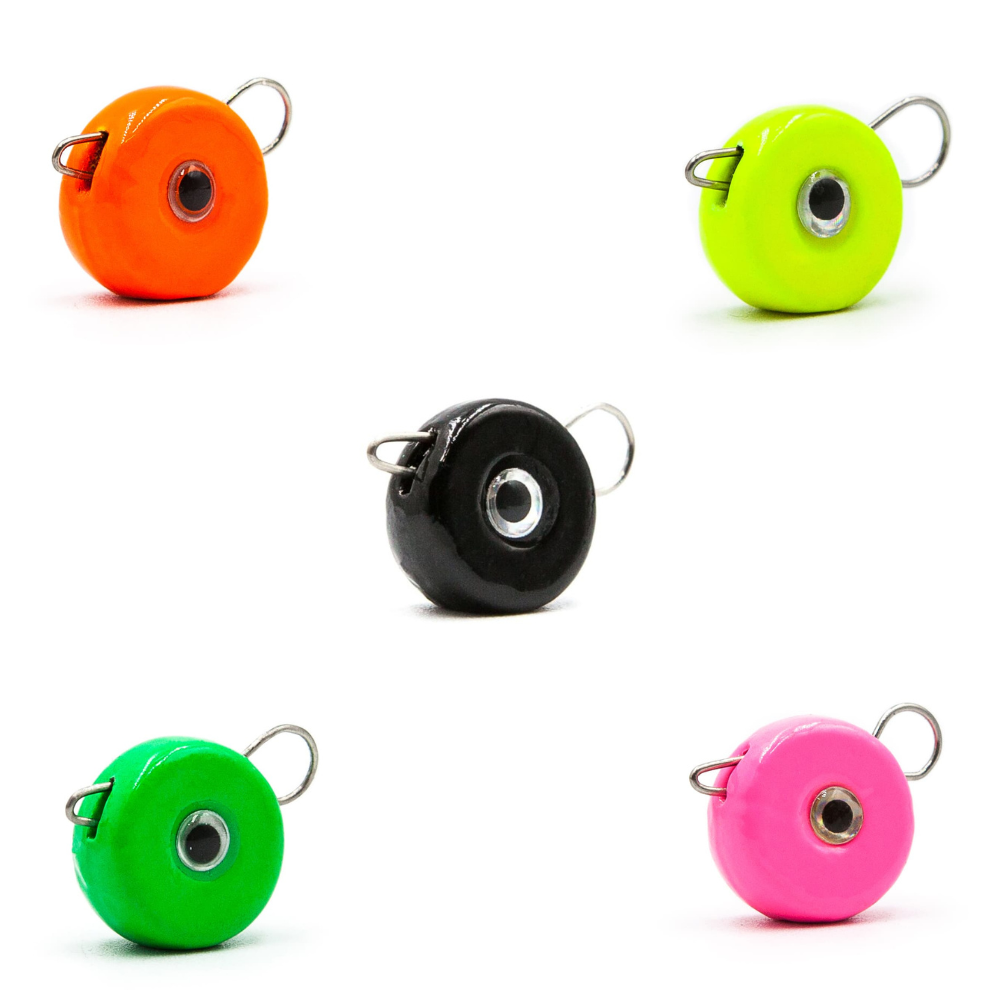
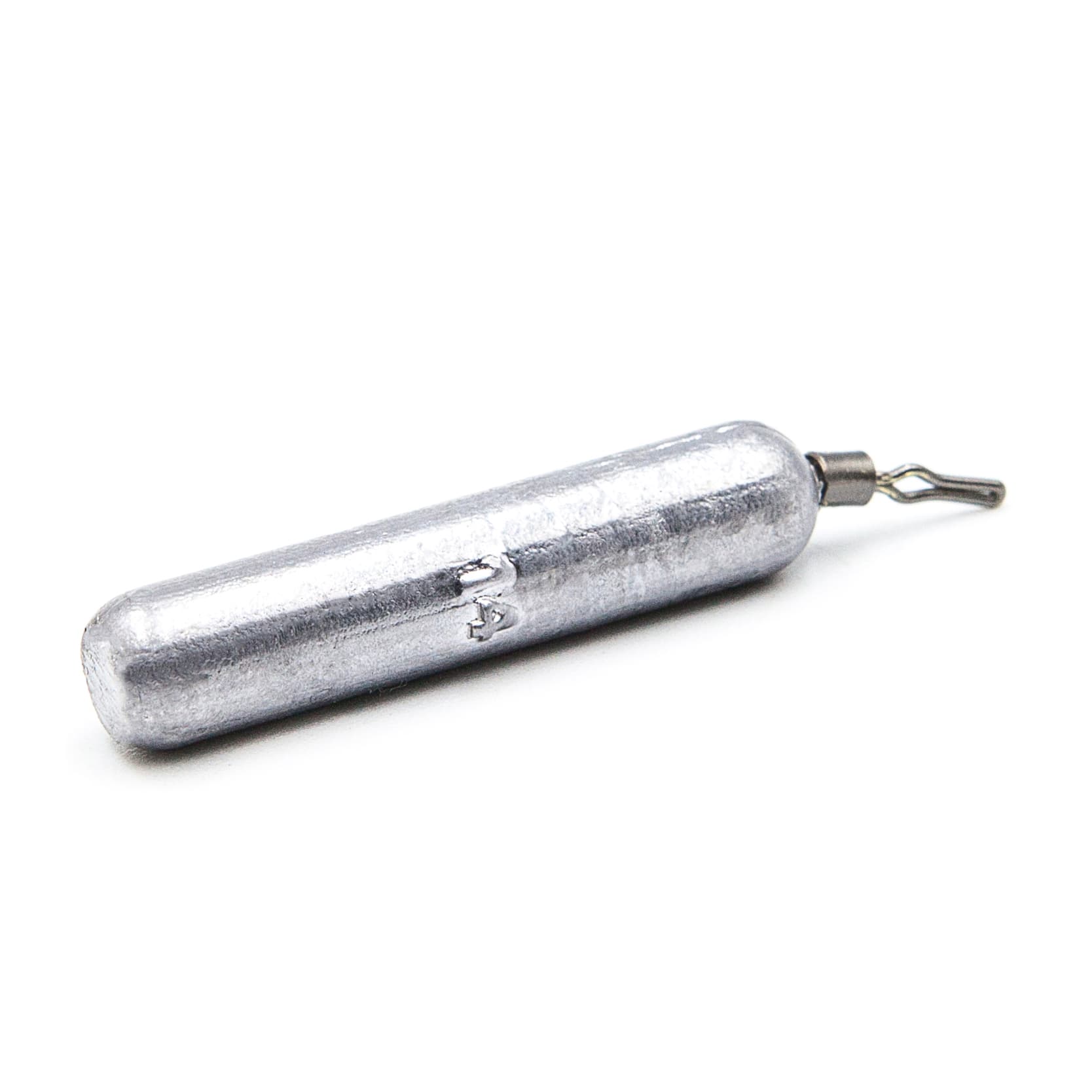
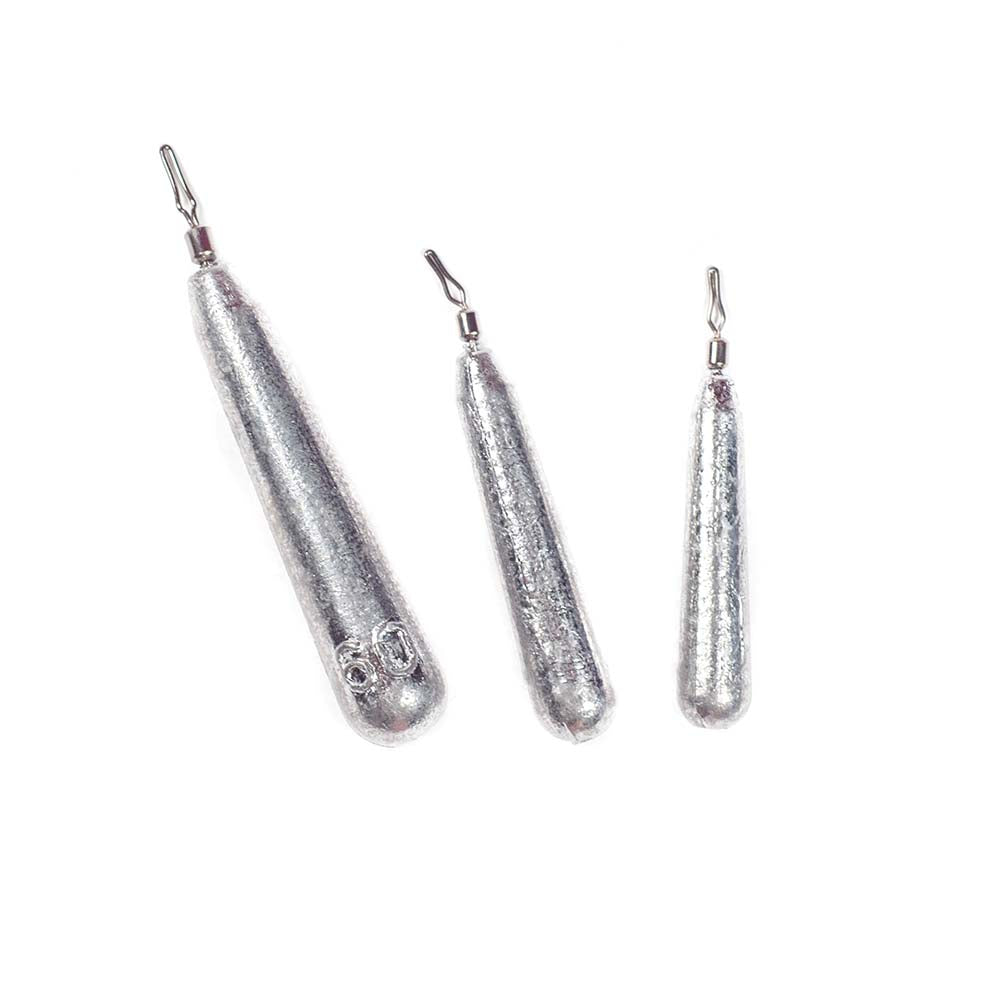
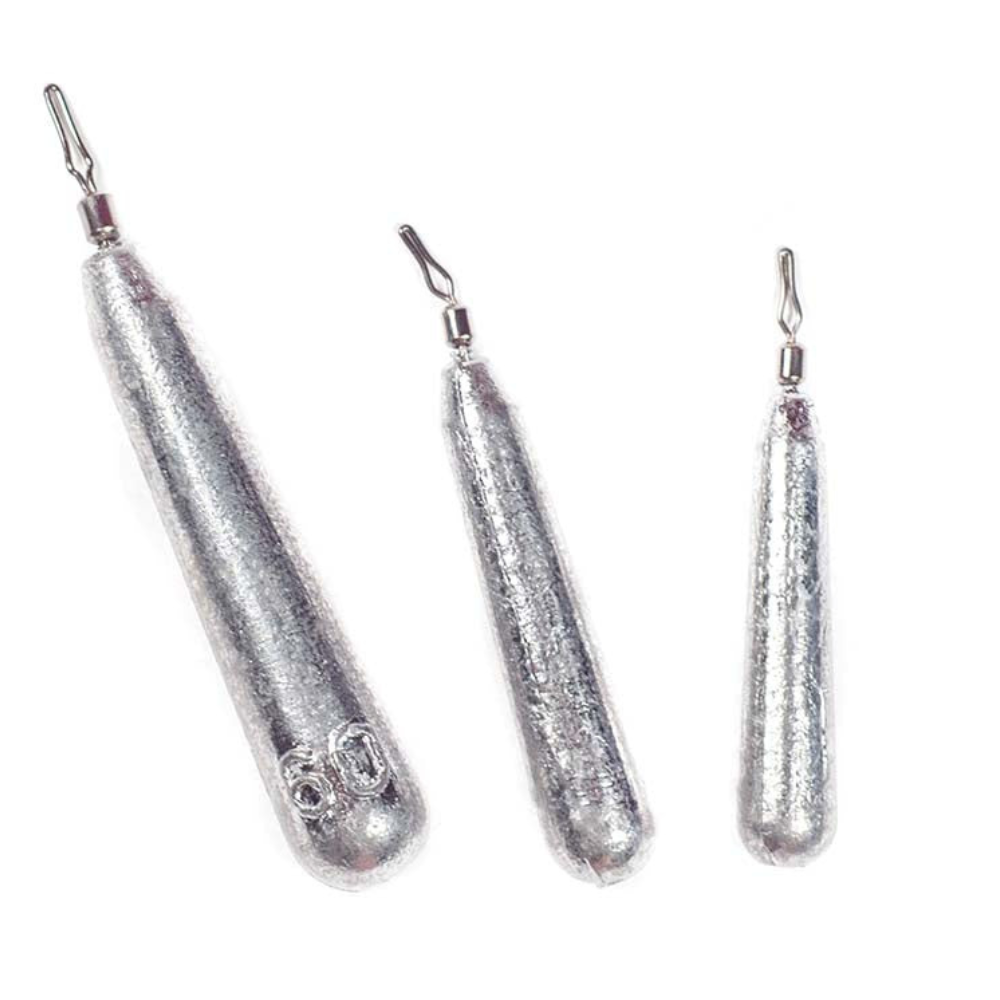
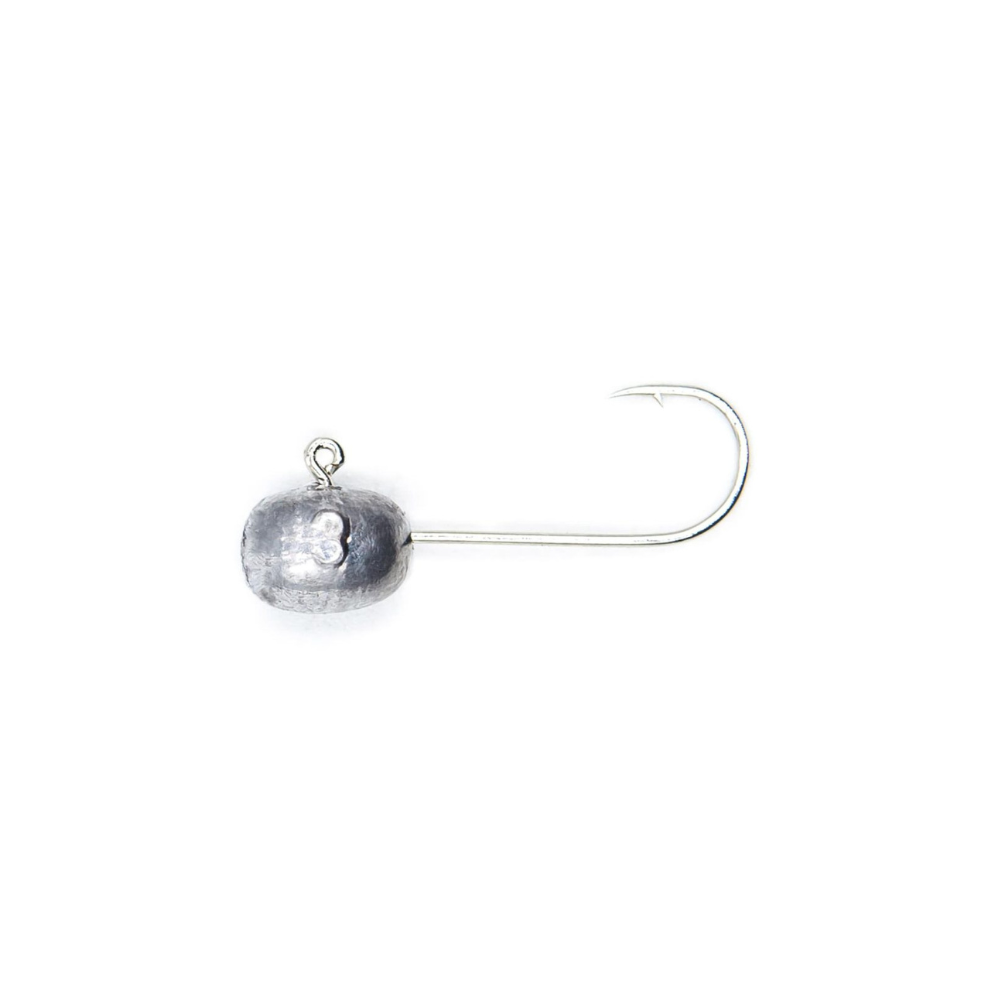
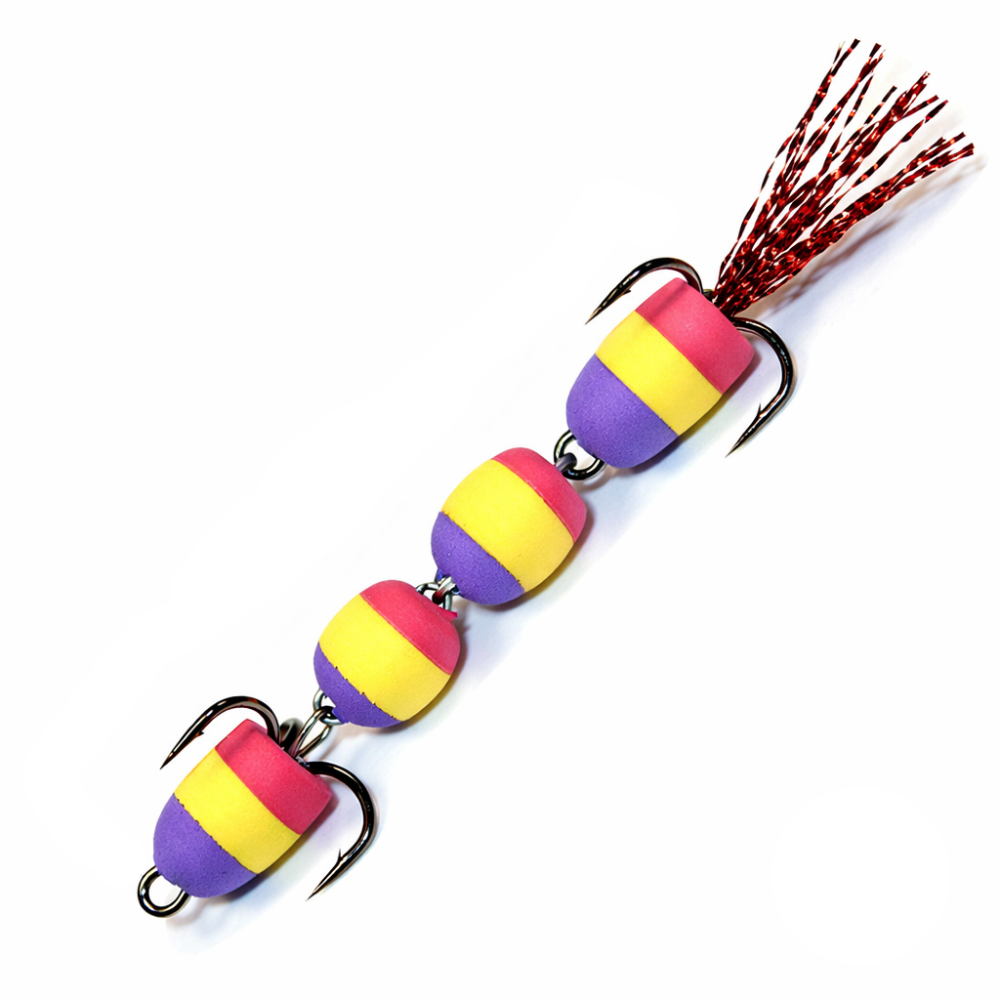
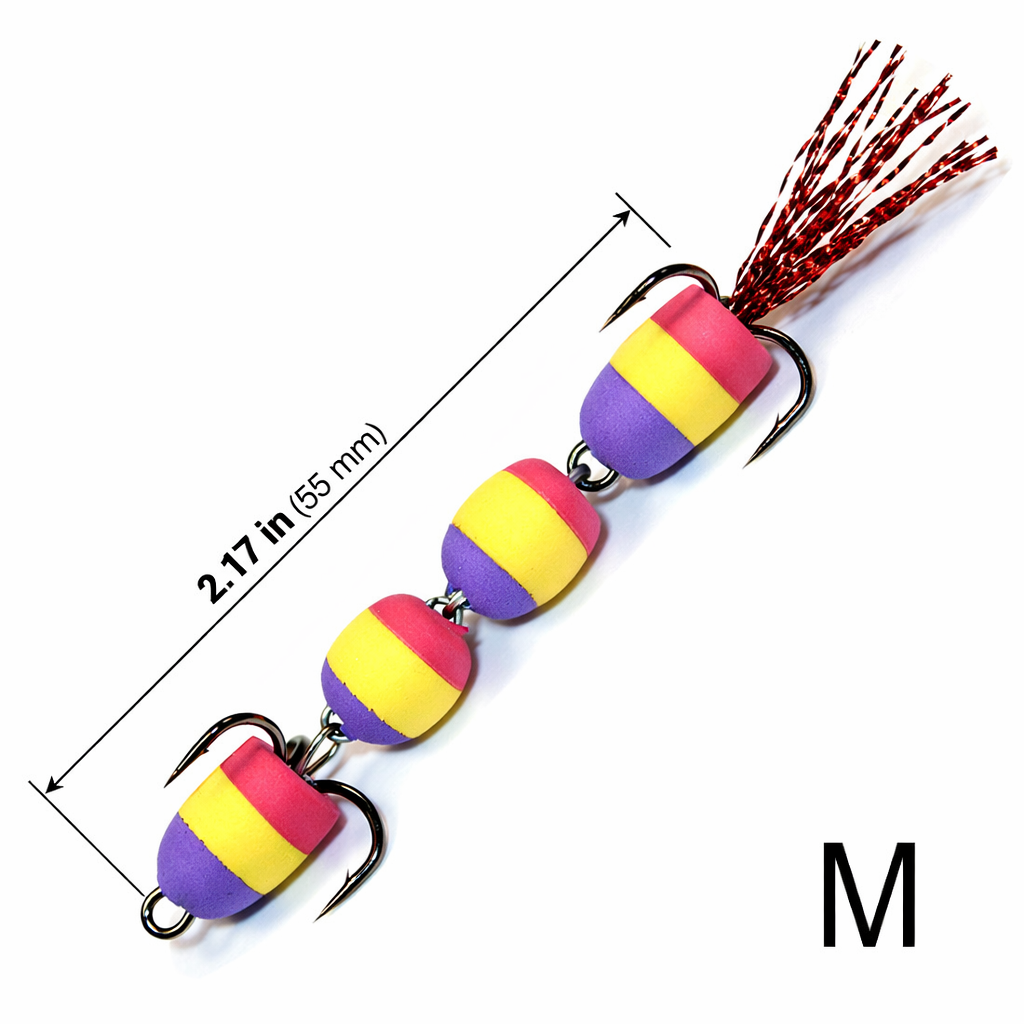
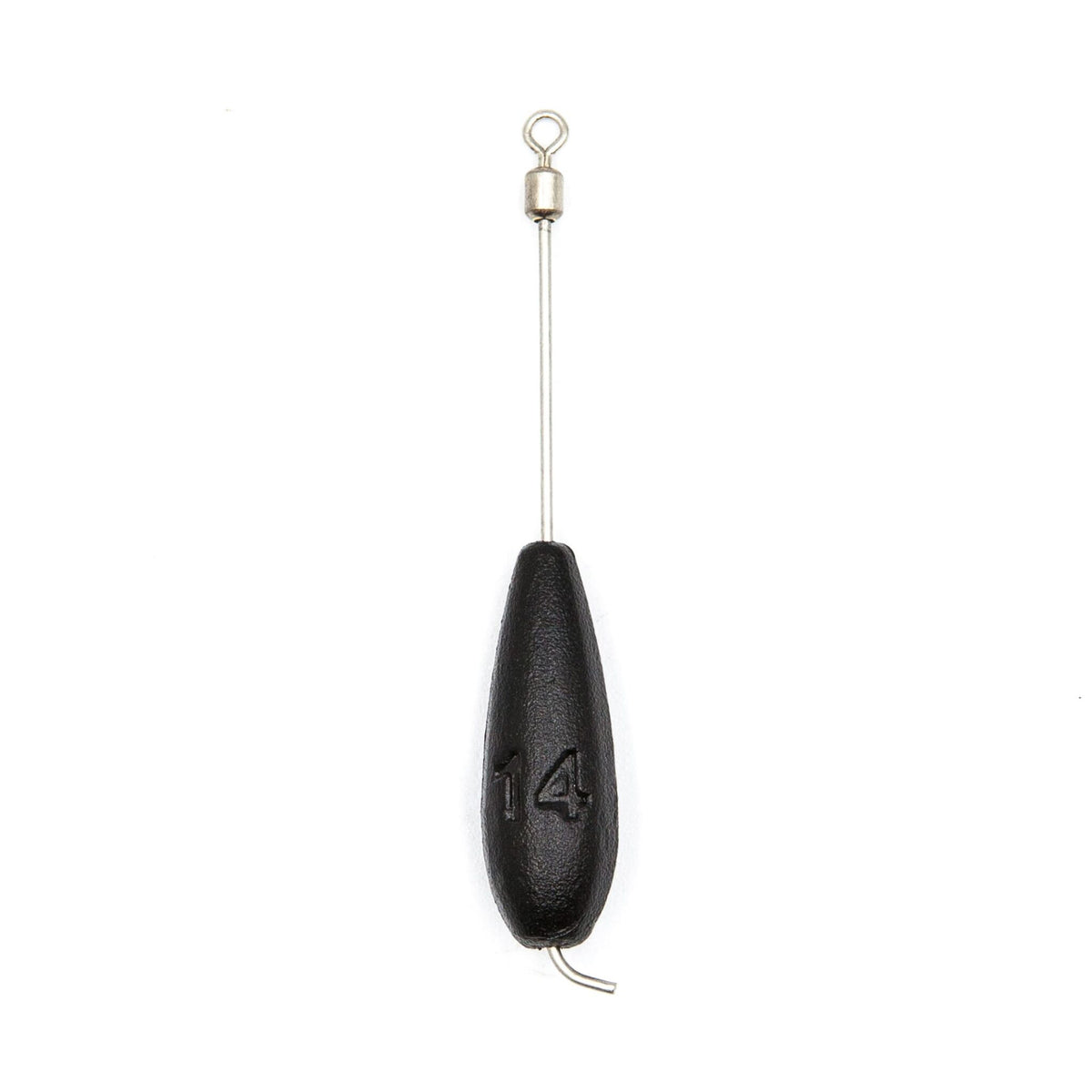
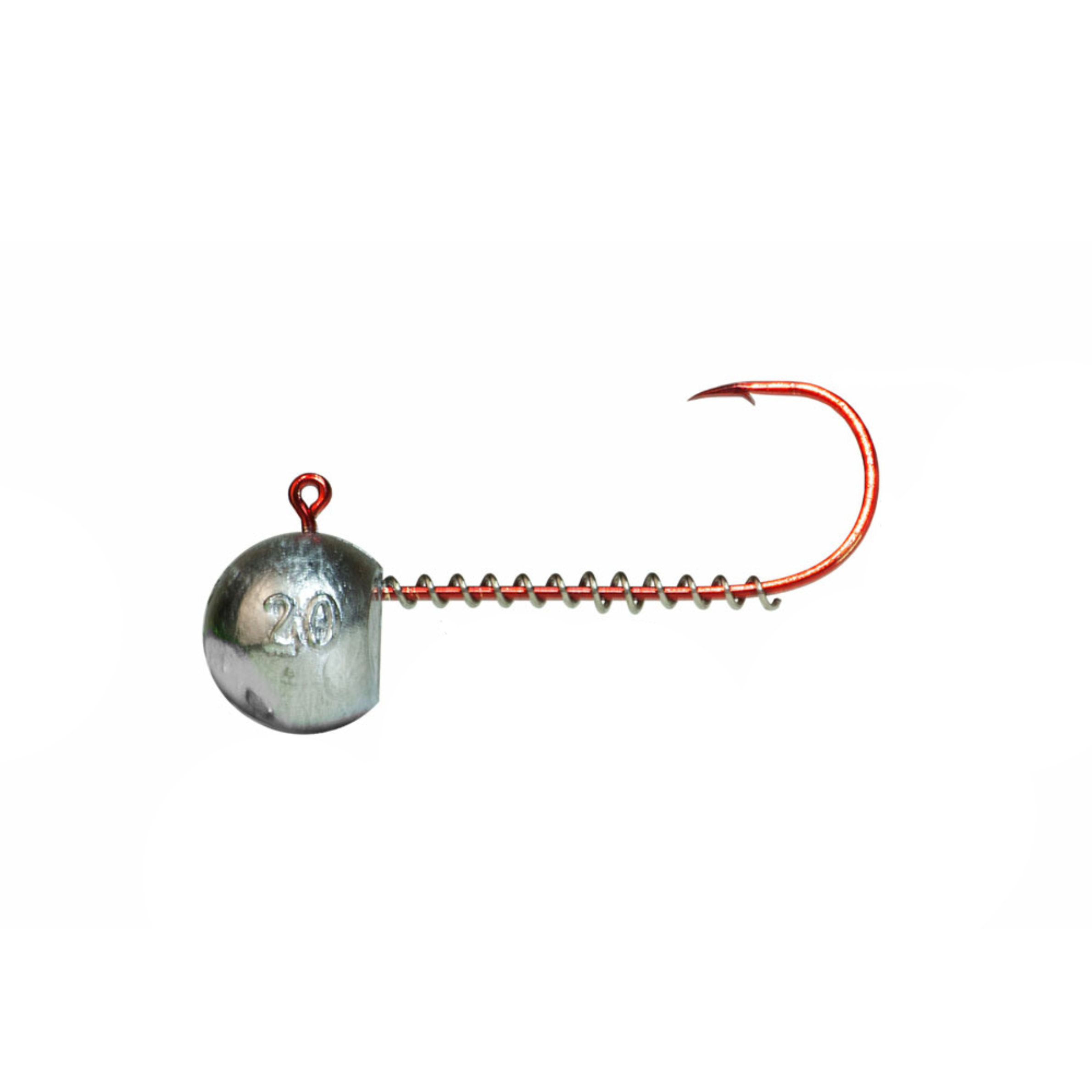
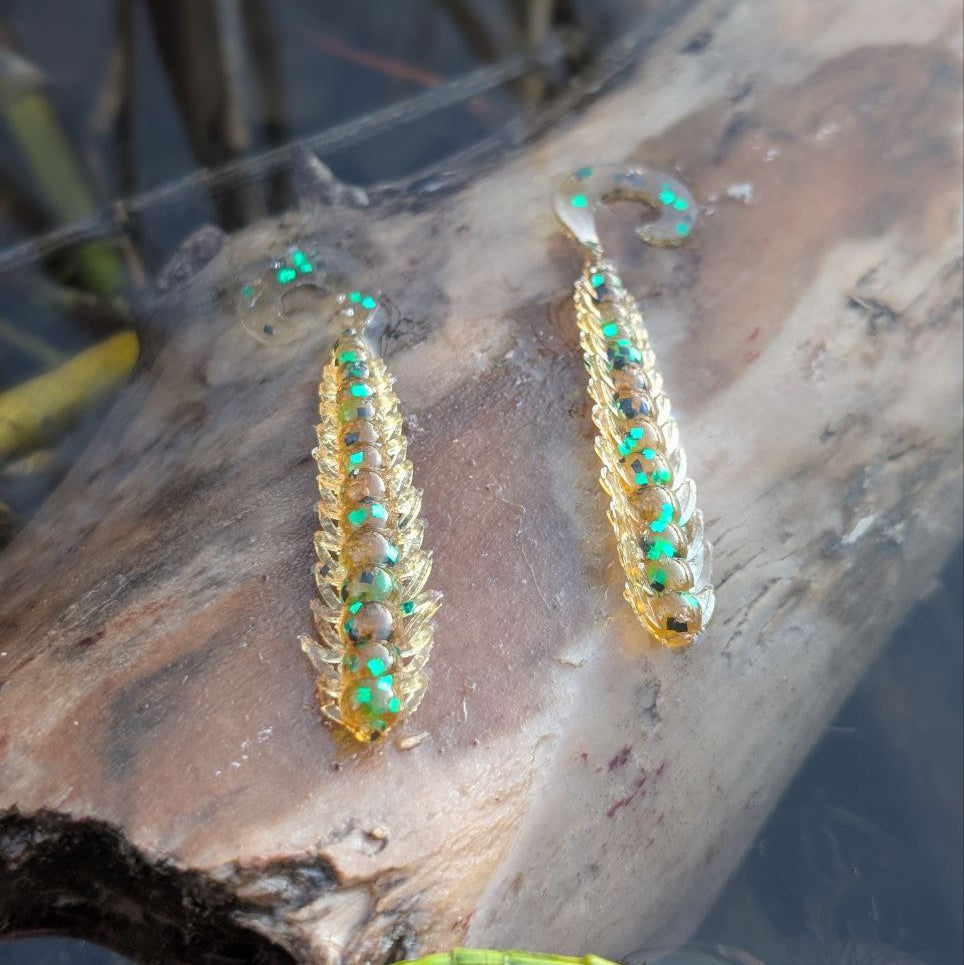
This collection includes jig heads, fishing weights, hooks, soft plastics, and other compatible tackle for bottom-contact techniques such as jigging, Texas Rig, Jika Rig, Free Rig, Cheburashka Rig, and Drop Shot fishing.